Green Carbon revolutionizes viticulture
October 08, 2025
Meta-study confirms: Climate-positive solution improves soil quality and yield stability
Schwaz, October 2025 - While winegrowers around the world are struggling with the consequences of climate change, a recent meta-study by the University of Burgundy shows promising results: Green Carbon can significantly improve the resilience of vineyards - and contribute to decarbonization at the same time.
From research to practice
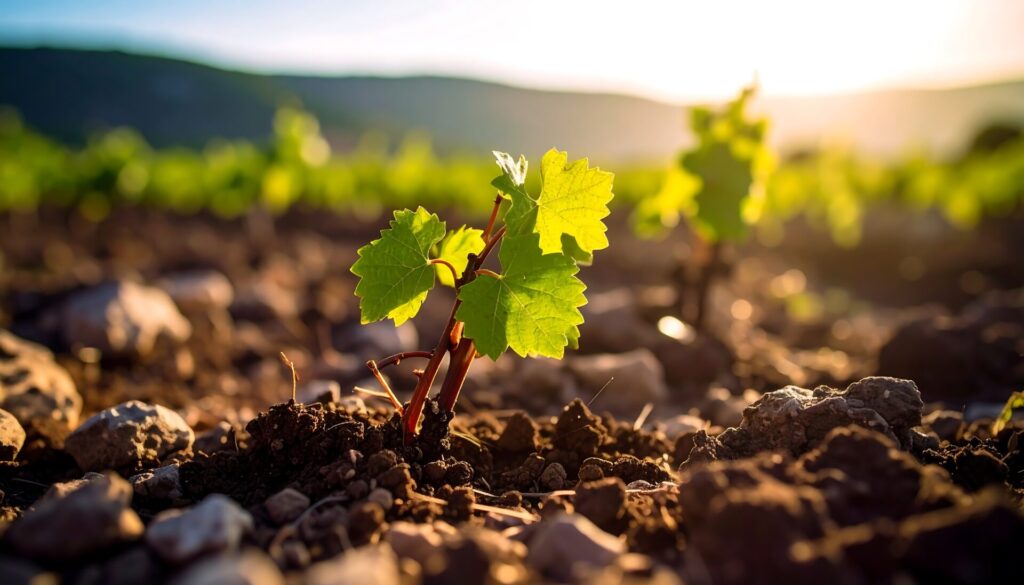
The evaluation of 17 international studies between 2014 and 2024 shows significant positive effects of using green carbon in viticulture. The results are clear: if green carbon is incorporated into the soil at a depth of around 30 centimetres, key soil parameters improve sustainably.
The advantages at a glance:
- Increasing the available water content in the soil
- Improvement of nutrient availability (C/N/P/K)
- Reduction of drought stress in vines
- Increase in photosynthetic activity
- More stable yields over several vintages
Particularly noteworthy: the positive effects remain clearly measurable even ten years after a single application. The organoleptic properties - as all characteristics of a product that can be detected by the human senses - in this case of grapes and wines, are not affected.

Climate-positive viticulture becomes reality
This opens up a double opportunity for the wine industry: on the one hand, winegrowers can make their vineyards more resistant to periods of drought - an increasingly critical factor in the face of climate change. On the other hand, the long-term binding of CO₂ in the soil actively generates Minus-CO₂ .
The study also shows that converting vine wood into green carbon reduces the carbon footprint per bottle of wine by 18 grams of CO₂ equivalents. Instead of leaving vines, pruning wood or pomace to rot unused, these residues can be converted into valuable green carbon in a resource-saving way.
Reversepowerplants: The technology behind it
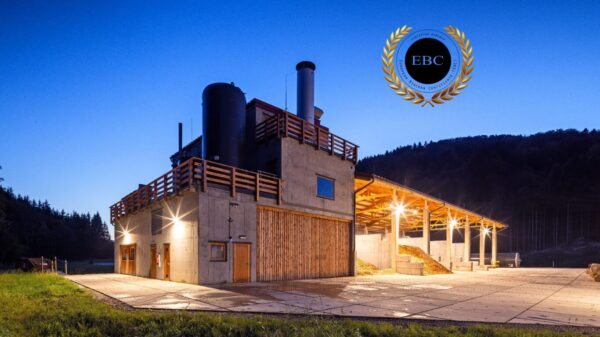
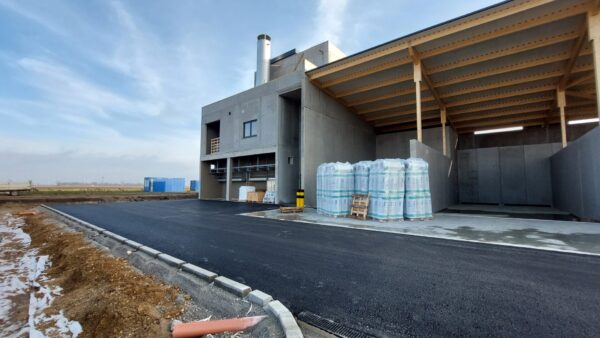
This is exactly where our technology comes in: SYNCRAFT Reversepowerplants convert forest residues - or energy wood - into renewable energy, Green Gas and green carbon. Targeted pyrolysis at 500°C creates a highly porous carbon - green carbon - which stores around 30% of the CO₂ contained in the source material wood in the long term.
This microporous structure makes green carbon the ideal soil improver: it acts like a sponge that buffers water and nutrients and at the same time serves as a habitat for soil microorganisms. One of our blog articles also deals with the use of green carbon in agriculture.

Economic added value through CO₂ certificates
A decisive factor for practicability: Biochar Carbon Removal (BCR) certificates can be generated through the permanent binding of CO₂ in the soil. These allow winegrowers to economically cushion their investment in climate-positive cultivation. In combination with energy production, this is another economic sector with a climate-positive impact.
The meta-study shows particularly significant improvements on acidic, nutrient-poor soils - precisely those soils that are affected by leaching and erosion in many wine-growing regions.
Reverse is forward.
While around 80% of winegrowers in France still feel insufficiently informed on the subject, the scientific evidence offers a clear perspective: Green Carbon can help the wine industry to move into the future in a resilient and climate-positive way.
With our reverse power plants, we are actively contributing to defossilization and decarbonization - also in viticulture. Because sustainable wine culture and innovative climate technology are not mutually exclusive. On the contrary: they complement each other perfectly.
About the study:
The meta-study was carried out as part of the PhysioVigne project at the University of Burgundy and published in the Technical Reviews of the International Viticulture and Enology Society (IVES).