Blueprint Wallern: Construction diary phases 1+2
January 2, 2026
#Construction diaryHow is a Reversepowerplant actually created? What steps are required from the initial idea to climate-positive energy production in ongoing operation? We provide a clear answer to this question in our new blog series "B(l)aupause." Using the project in Wallern as an example, we take you to the construction site and show you transparently, practically, and step by step how regional forest residues are turned into forest residues modern energy system for electricity, heat, and green carbon. A construction diary about planning, cooperation, and the interaction of many trades—and about how defossilization and decarbonization are being implemented in concrete terms.
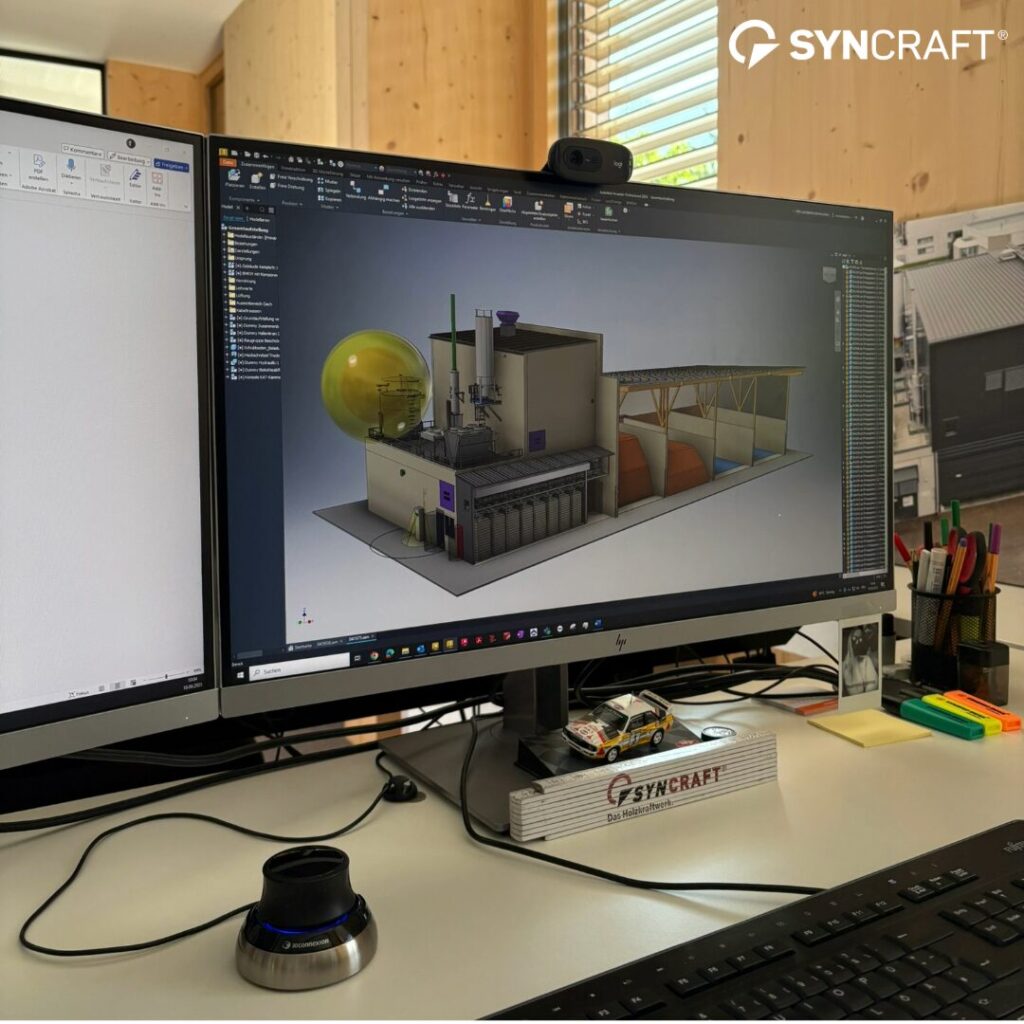
How is a Reversepowerplant created?
From groundbreaking to commissioning: Our Wallern construction diary documents the creation of a reverse power plant.
Flashback to July 2025: Welcome to the B(l)aupause series! In this LinkedIn content series, we take you to the construction site in Wallern and document the creation of a reverse power plant from start to finish. From the groundbreaking ceremony to successful commissioning, we will show you in regular snapshots how planning becomes reality and how climate-positive energy supply is created. And that's exactly what we do here on our blog, too—only in a little more detail.
What does B(l)aupause mean?
The name of this series has a double meaning: blueprint stands for the technical template, the plan according to which construction is carried out. At the same time, with each update, we press pause on construction and capture the current status in photographs. The result is an exemplary documentation that shows how an individual Reversepowerplant that generates renewable energy and green carbon.
In short: Our B(l)aupause series stands for transparency, insights into complex processes, and the creation of a climate-positive reverse power plant. A step-by-step construction diary—and a look behind the scenes at SYNCRAFT.
What can you expect to find in our blog construction diary?
Whether planning, approval, civil engineering, installation, or commissioning—we take you step by step and show you how climate-positive energy systems are created together with strong partners. Each blog article in this series is a snapshot that not only documents the construction progress but also shows the expertise, coordination, and interaction of different trades required to Reversepowerplant a Reversepowerplant .
Phase 1: The approval process
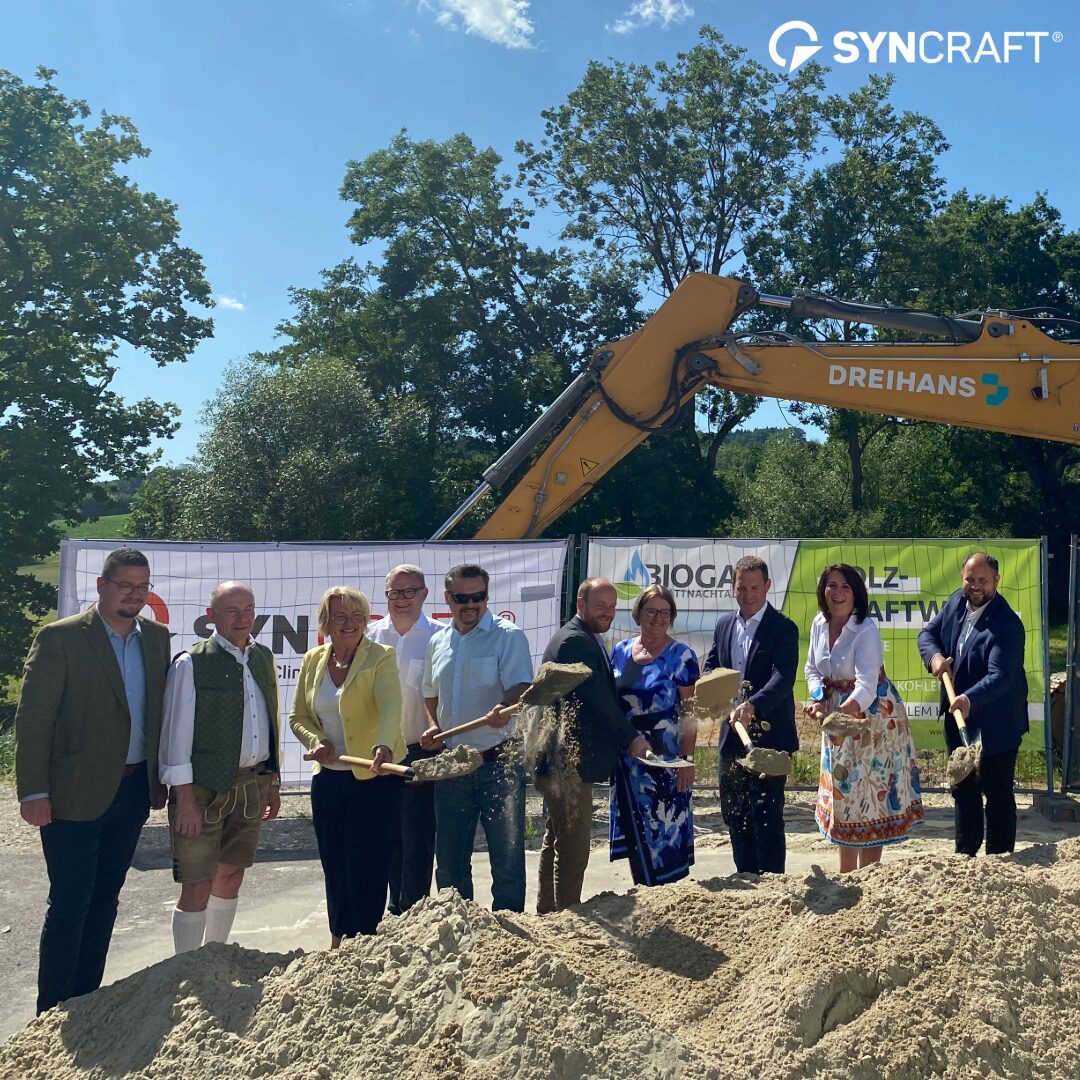
Before the first sod can be turned, we have to go through an extensive approval process. Without approval, there will be no Reversepowerplant. A lot has already happened behind the scenes before we were able to celebrate the groundbreaking ceremony together with Biogas Trattnachtal GmbH.
The approval process: The foundation for every Reversepowerplant
The approval phase is one of the most important steps on the way to Reversepowerplant. Together with our customers, we ensure that all approvals are handled properly. This involves much more than just formalities: we must ensure that there is no noise or exhaust pollution for the neighborhood and that all environmental requirements are met.
What needs to be considered:
- Building permits and building regulations
- Immission control (noise, emissions)
- environmental impact assessments
- Fire protection and safety concepts
- Grid connection and energy law approvals
Early 3D planning: The Reversepowerplant shape
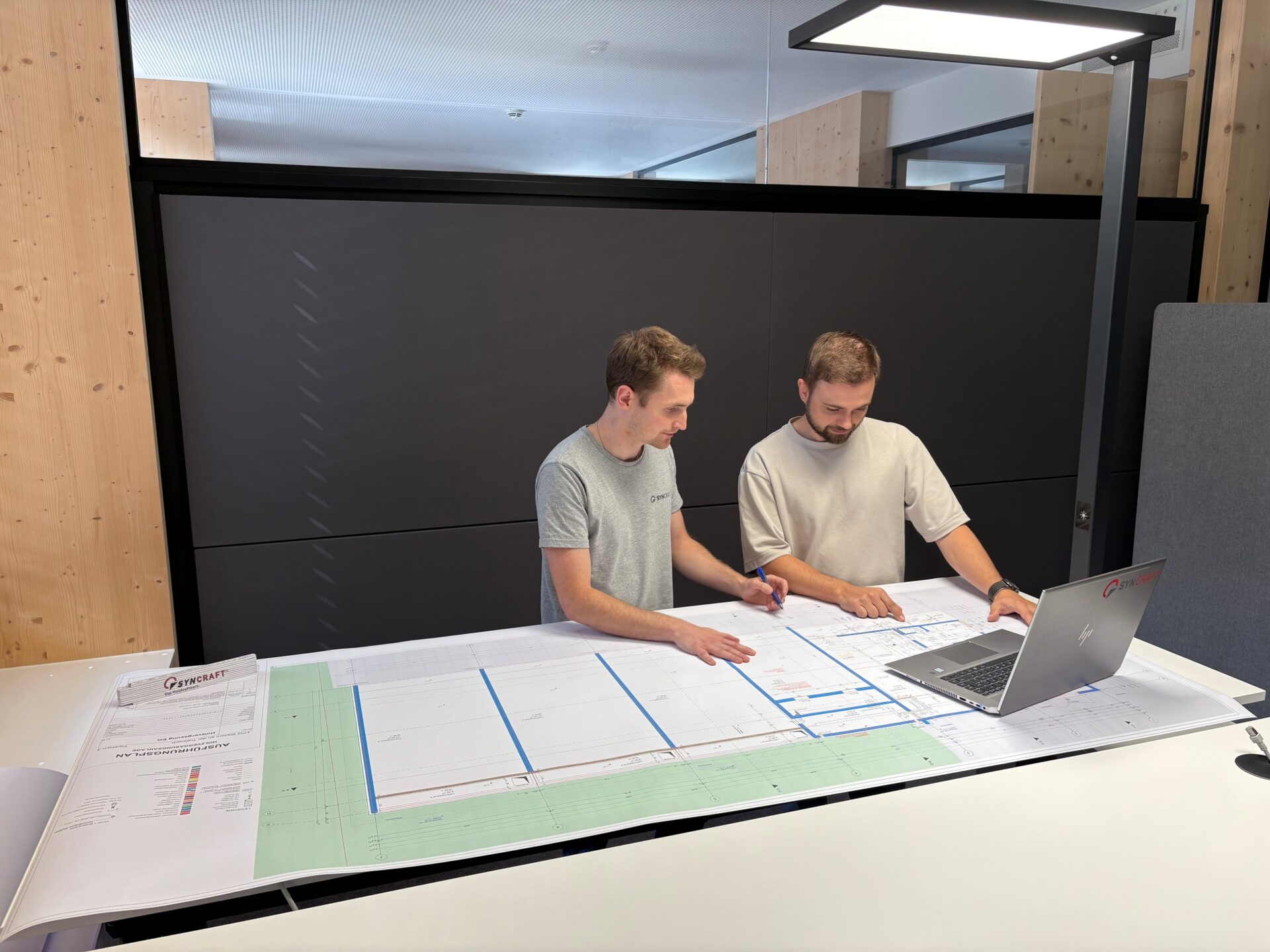
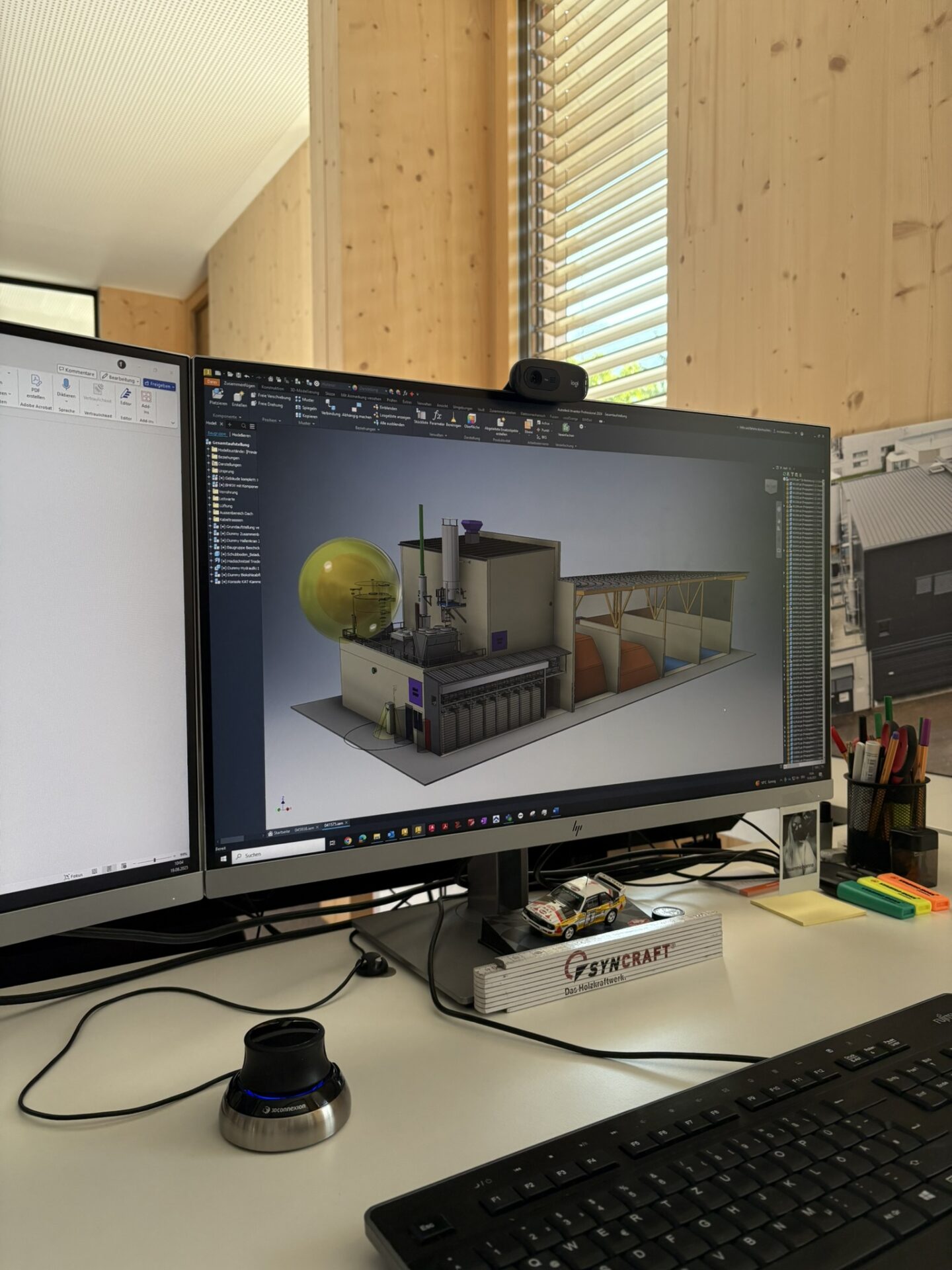
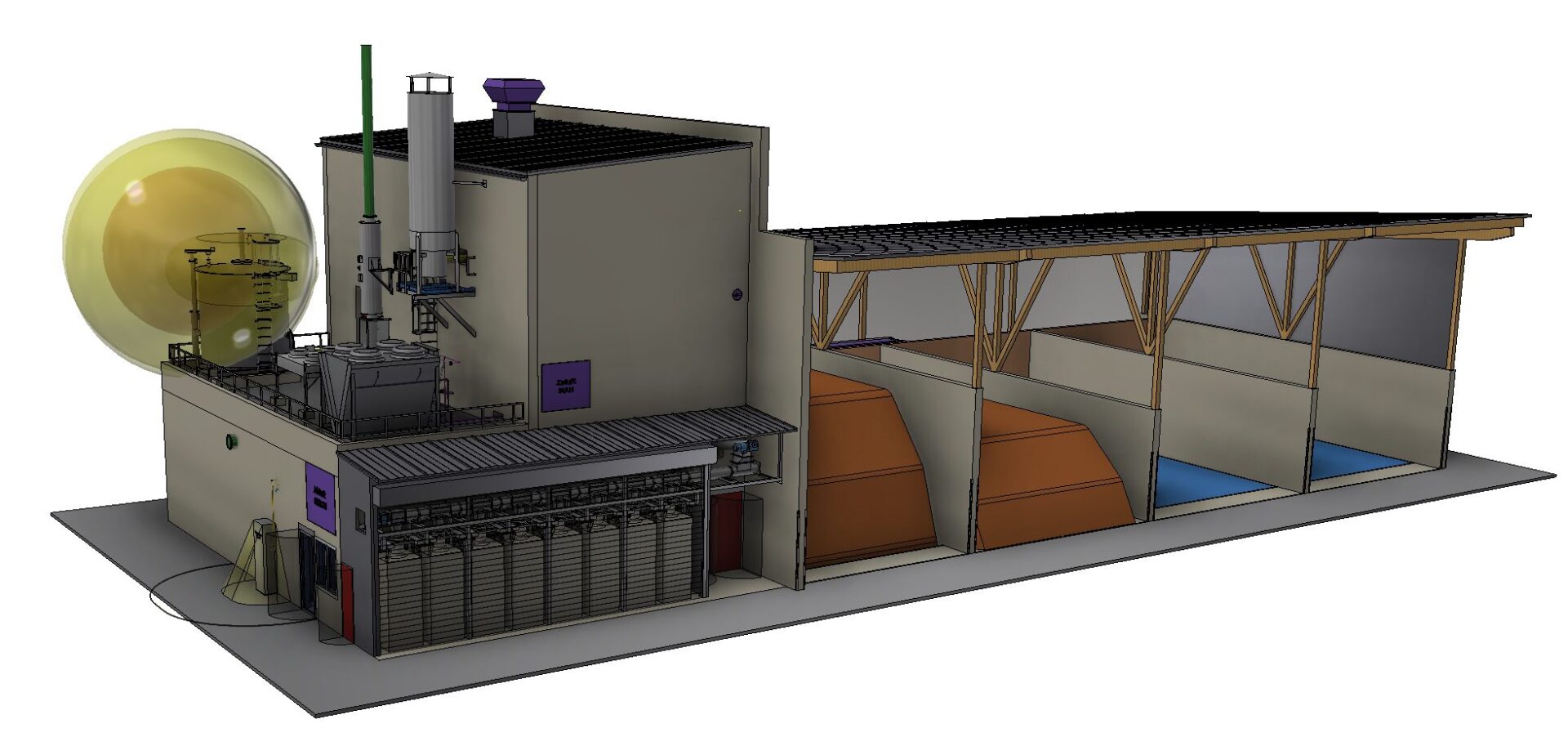
In order to guide our customers through the complex approval phase in a transparent manner, we start with detailed 3D planning at a very early stage. From the initial visualization to the final plan, the Reversepowerplant takes shape.
3D planning fulfills several important functions in this regard:
- Visualization for customers and authorities
- Coordination of various trades and interfaces
- Precise coordination of building design and building services engineering
- Early error detection before actual construction
Always together: Support every step of the way
We provide support with expert reports, assist planners and customers, and participate in important negotiations with authorities. This close support is crucial, as every project has its own individual requirements—from the location and planned output to integration into existing energy systems.
Phase 2: Groundbreaking
July 2025 – A significant milestone: Groundbreaking has taken place for the new Reversepowerplant Biogas Trattnachtal GmbH in Wallern. Together with our project partners, we have laid the foundation for an energy system that demonstrates how defossilization and decarbonization work in practice.
The key project data at a glance
Commissioning: March 2026
Construction company: DREIHANS GmbH
Planning: PBEG
Power feed-in: Directly into the public grid
Exhaust gas utilization: CHP exhaust gases (390°C) for sewage sludge drying
Waste heat utilization: Direct utilization on site
Customized implementation: What makes the Reversepowerplant Wallern so special
Before we discuss the individual implementation in Wallern, here is some brief information about how our Reversepowerplants work and what makes them special Reversepowerplants general: While conventional power plants consume fossil fuels and release CO₂, our Reversepowerplant works Reversepowerplant : We use regional forest residues energy wood to generate not only renewable energy in the form of electricity and heat, but also Green Gas green carbon. This green carbon permanently binds around 30 percent of the CO₂ originally contained in the wood – resulting in climate-positive Minus-CO₂. True to our motto: Reverse is forward.
Synergies at the site: When technologies work hand in hand
What is particularly exciting about the Wallern site is that here, working together is not just a pipe dream, but everyday practice. Wellsstrom's existing biomethane plant with its innovative membrane technology and our Reversepowerplant together Reversepowerplant a highly efficient, climate-positive energy system.
This intelligent combination of various sustainable technologies exemplifies how the energy transition can succeed at the local level: through smart networking, regional value creation, and innovative partnerships.
What happens next?
Here on our blog and on social media, you will find regular updates from Wallern. From detailed planning to foundation and construction work, steel assembly, technical installations, and final commissioning—we document every important step and give you exclusive insights.
The next milestones:
- Detailed planning and coordination with all trades
- Foundation and construction work
- Installation of system components
- Installation of technical systems
- Commissioning in March 2026
About the project
Location: Wallern, Upper Austria
Client: Biogas Trattnachtal GmbH
Technology: SYNCRAFT Reversepowerplant
Project partners: DREIHANS GmbH (construction), PBEG (planning), Wels Strom (biomethane)
Further links:
Internal links:


January 21, 2026
Top Topics 2026: Will we reach the energy transition point?
New legal frameworks, increasing expansion targets for renewable energies, and growing pressure to defossilize will bring change to the energy sector in 2026. At the same time, it is becoming increasingly clear that the energy transition will not be achieved through individual technologies, but through their interaction. Renewable energies, bioenergy, Green Carbon, decarbonization, defossilization, and smart Minus-CO₂ are converging into a single system. This is precisely where the top topics for our industry in 2026 lie.
read more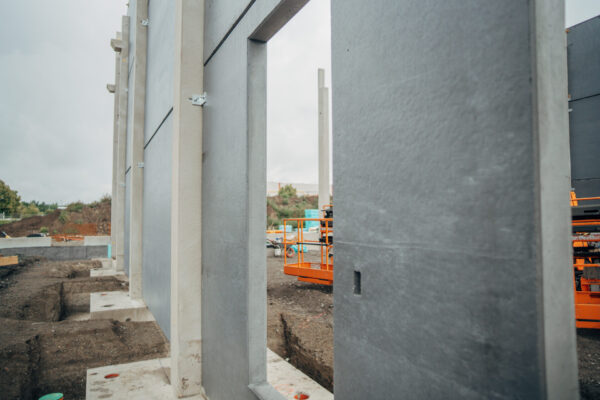
December 15, 2025
Climate-positive precast concrete elements: MARKGRAF x ecoLocked x SYNCRAFT
Climate-positive construction—what does that mean? The pilot project by MARKGRAF and ecoLocked in Kemnath provides a clear answer. The striking dark color pigments in the concrete are not just a design statement—they are visible proof of permanently bound CO₂ and active climate protection. This is made possible by green carbon, which is produced in our reverse power plants. When added to concrete, it creates a permanent CO₂ sink. Specifically, this means that over 10.68 tons of CO₂ have been permanently bound in this project. The black pigments in the concrete highlight the added value of climate protection and send a strong visual signal to the construction industry and a functioning bioeconomy.
read more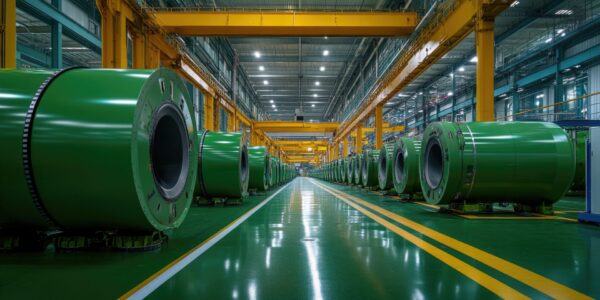
September 29, 2025
Green Carbon in metallurgy
Metallurgy is facing a historic transformation: while the steel industry is responsible for 5-7 percent of global greenhouse gas emissions, Green Carbon offers a revolutionary alternative to fossil coals. With its reverse power plants, SYNCRAFT shows how regional forest residues can be turned into sustainable carbon for the defossilization of the metal industry.
read more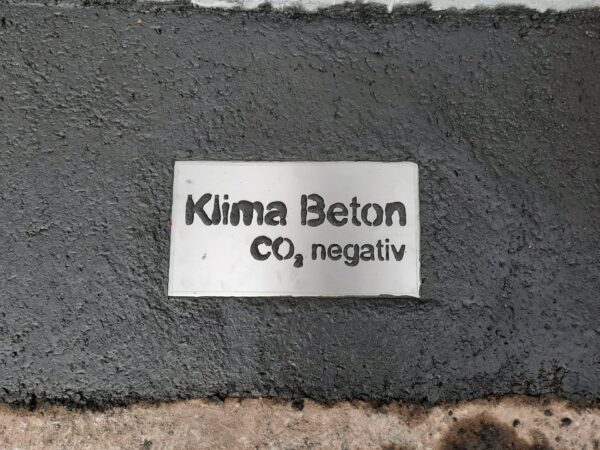
August 21, 2025
Building materials with green carbon: the future of construction
Conventional building materials are responsible for around 11% of global CO₂ emissions. To change this, we need innovative, new building materials - which not only save CO₂ emissions, but also bind CO₂ in the long term. And thus become a CO₂ sink. This is made possible by building materials that contain green carbon, for example.
read more
August 13, 2025
Certificates for climate protection
From A for application to Z for certification: REACH registration, European Biochar Certificate, C-Sink certificates - confirmed quality against climate change? We were one of the first system manufacturers to be recognized as an "Endorsed System Provider" by Carbon Standards International (CSI) in 2024. But what does this mean in concrete terms, which certifications are important and why are they so essential in our industry?
read more
July 17, 2025
Austria's future of renewable energy
Today, renewable energies are far more than just a vision for tomorrow - in many places they are already the present. But how does Austria compare internationally? Which technologies are driving the energy transition, what are the biggest challenges and how can the energy transition succeed in the long term?
read more