A Reversepowerplant organic food producer Veganis
December 12, 2025
When organic excellence meets climate-positive energy technology, the result is a SYNbiosis that shows what the future of food production looks like. Veganis GmbH, based in St. Andrä am Zicksee, relies on a Reversepowerplant SYNCRAFT – and, true to its motto "Organic in Motion," is taking an innovative step toward 100% renewable organic production.
Regional organic production meets regional energy
Veganis is not just any organic producer—the company is a pioneer in every respect. Veganis is the first company in Austria to use natural branding instead of plastic labels and grows high-quality organic fruit and vegetables in state-of-the-art greenhouses. Around 120 people in the Seewinkel region have sustainable jobs with the organic producer. For the new organic vegetable world, one thing was clear: the energy had to be just as consistently sustainable as the products themselves.
This is precisely where the shared vision began: the SYNCRAFT Reversepowerplant converts regional forest residues the form of wood chips into renewable energy and green carbon. What makes it special is that the plant is not only climate-neutral, but climate-positive. During the generation of electricity and heat, Green Carbon is produced, which permanently binds around 30% of the CO₂ originally contained in the wood.
Year-round energy solution for optimal growing conditions
The Reversepowerplant Veganis with the energy it needs all year round—flexibly adapted to the respective requirements:
- In winter: Reliable heat for heating greenhouses
- In summer: conversion of energy into cooling for optimal climate conditions
- All year round: Power supply for operation
- Sustainable: Climate-positive organic farming
The fuel is sourced exclusively from regional forest residues sustainable forestry within a radius of less than 50 km – a true circular economy in which the added value remains in the region.
Green carbon optimizes agriculture
A particular highlight of the project is the direct application of green carbon in Veganis' cultivation soils. The high-quality green carbon improves soil fertility, increases water storage capacity, and promotes plant growth. At the same time, CO₂ is bound in the green carbon—a perfect symbiosis between energy production and agriculture.
- Healthier soils through improved soil structure
- Better plant growth through optimized nutrient availability
- Active climate protection through CO₂ sequestration in green carbon
- Sustainable cycle from energy to cultivation
In addition, Veganis feeds surplus green electricity into the grid, thereby actively contributing to the regional energy transition in Burgenland.
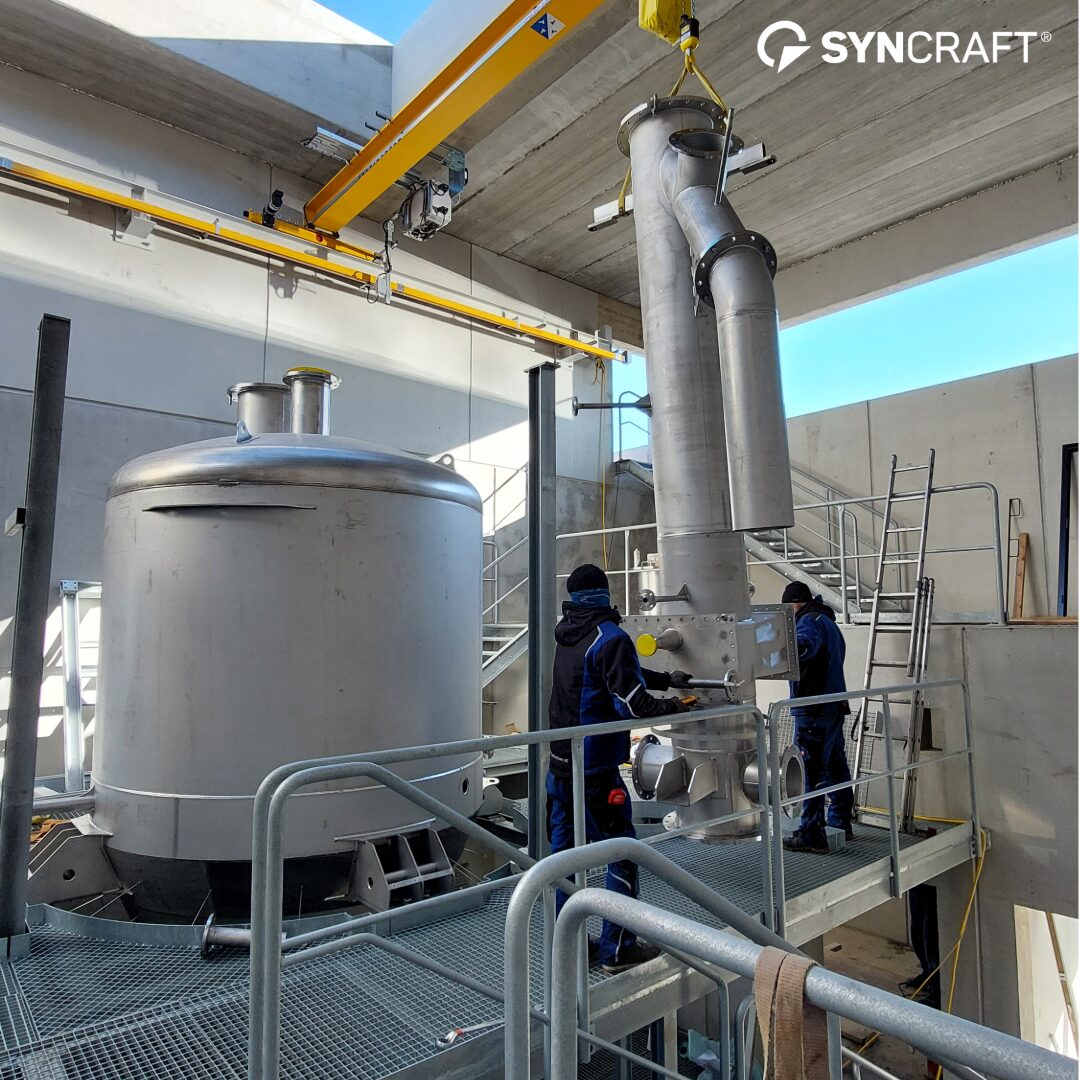
Construction site update: The Reversepowerplant shape
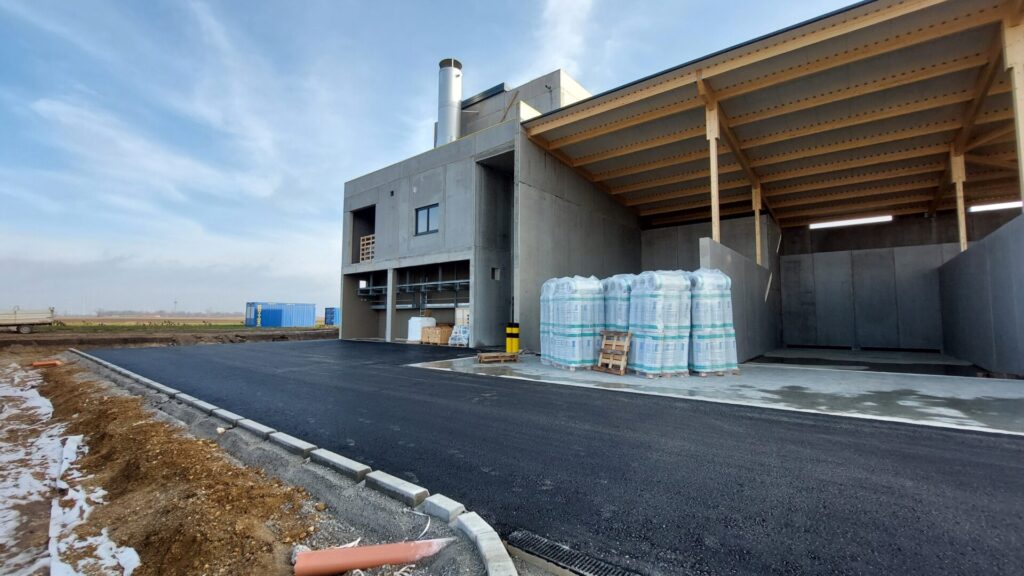
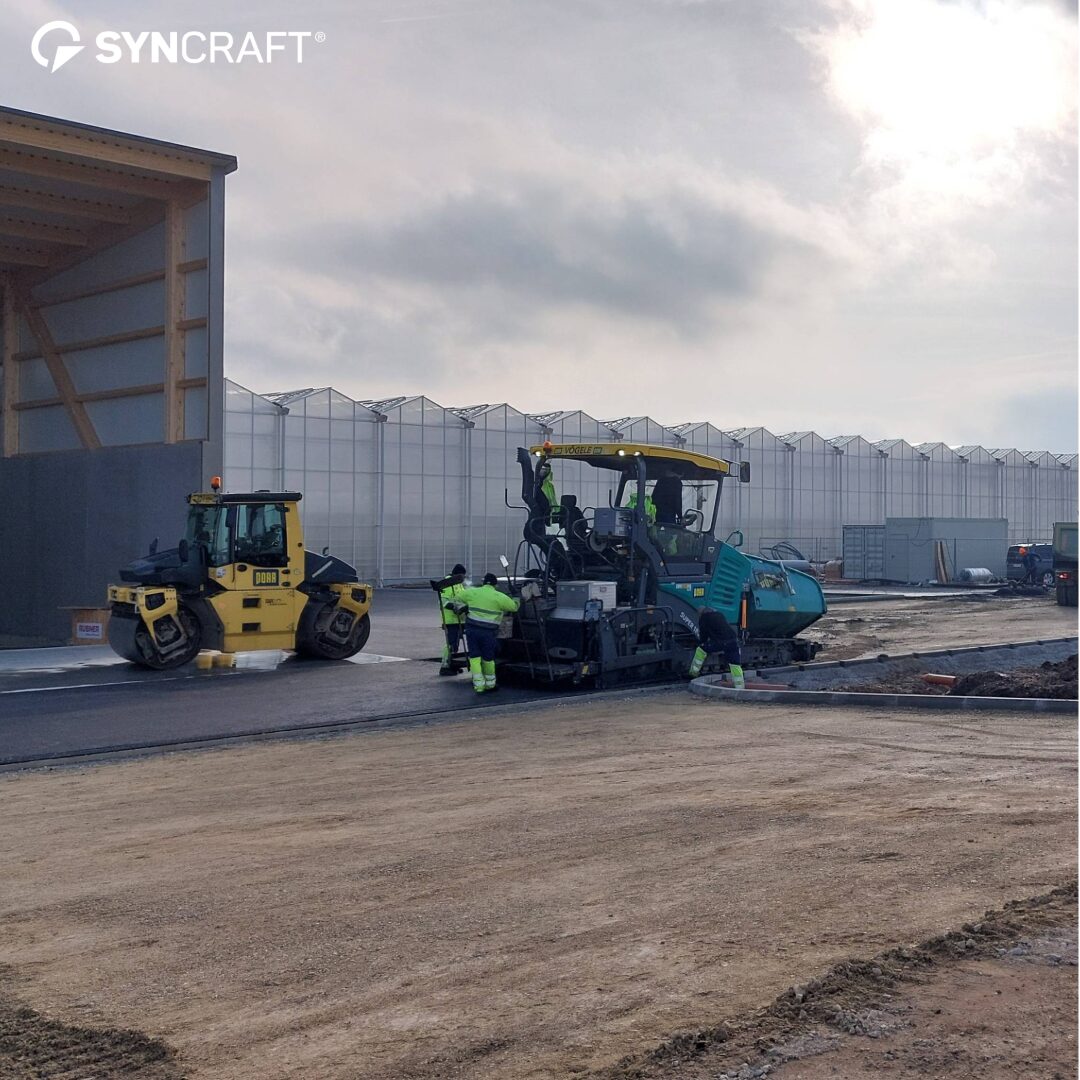
The Reversepowerplant St. Andrä is taking shape:
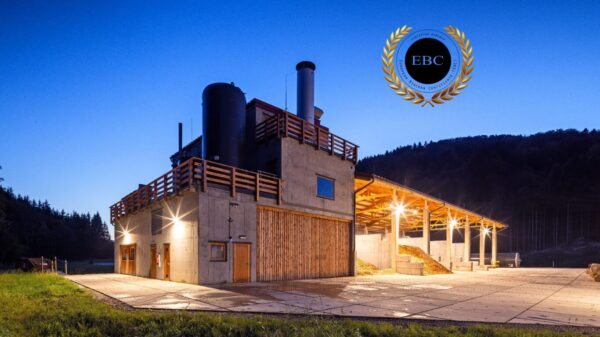
- Inside the hall, the steel structure was assembled by our partner Grabner, while the SYNCRAFT team installed the flare. All site facilities have also been completed.
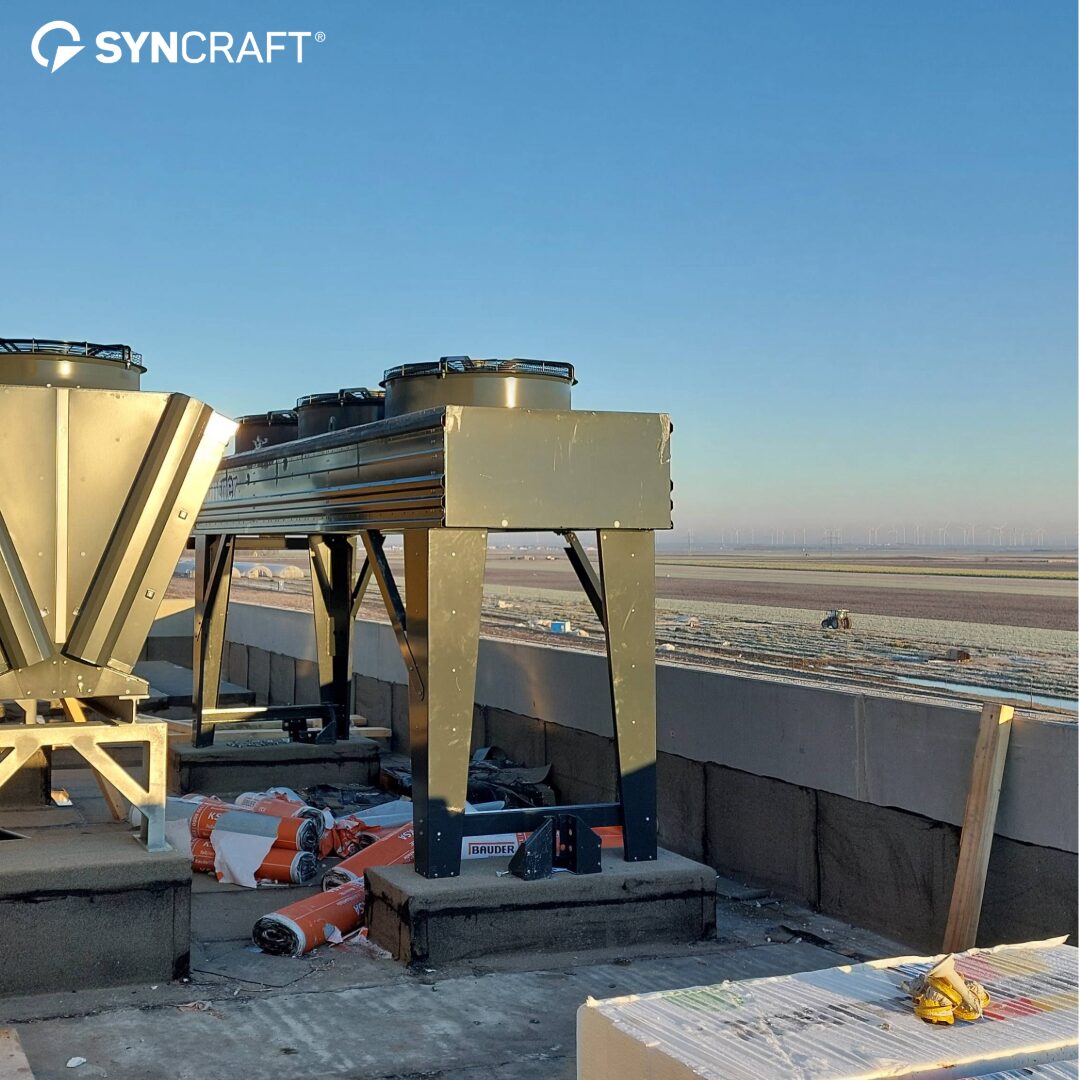
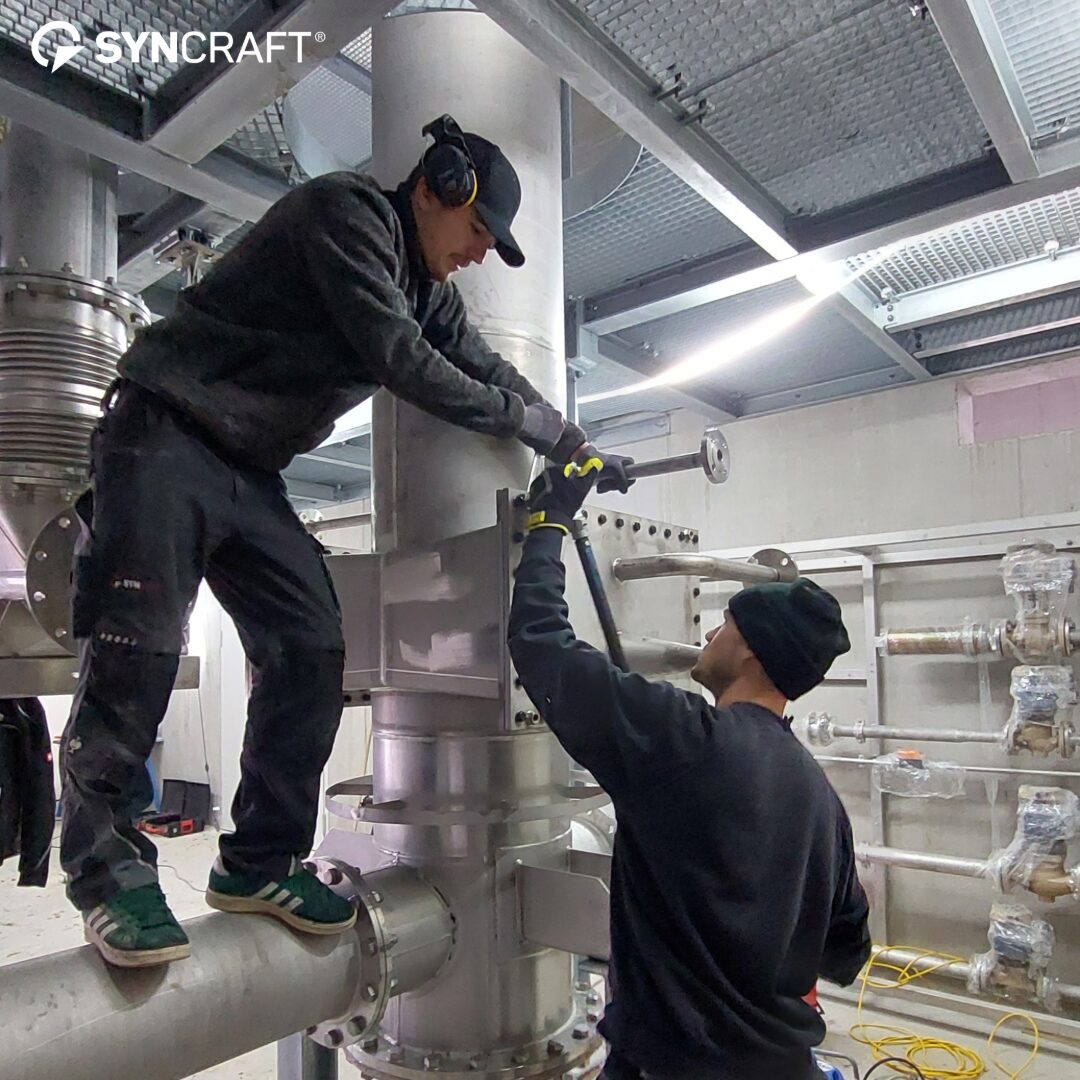
- This was followed by the installation of the central core components: the pyrolysis container, gasifier, and gas filter are already in place, as are the distinctive Steiner screws and the cooler on the hall roof.
- Work is currently underway on the internal screw conveyors, while the large containers—pyrolysis, gasifier, and gas filter—are gradually being insulated. Fine assembly is in full swing.
"𝐖𝐢𝐫 𝐝𝐞𝐧𝐤𝐞𝐧 𝐧𝐚𝐭𝐮̈𝐫𝐥𝐢𝐜𝐡 𝐮𝐧𝐝 𝐤𝐫𝐞𝐚𝐭𝐢𝐯 𝐮𝐧𝐝 𝐬𝐞𝐭𝐳𝐞𝐧 𝐚𝐮𝐟 𝐈𝐧𝐧𝐨𝐯𝐚𝐭𝐢𝐨𝐧, 𝐰𝐞𝐧𝐧 𝐞𝐬 𝐝𝐞𝐫 𝐔𝐦𝐰𝐞𝐥𝐭 𝐮𝐧𝐝 𝐝𝐞𝐫 𝐐𝐮𝐚𝐥𝐢𝐭𝐚̈𝐭 𝐮𝐧𝐬𝐞𝐫𝐞𝐫 𝐁𝐢𝐨-𝐋𝐞𝐛𝐞𝐧𝐬𝐦𝐢𝐭𝐭𝐞𝐥 𝐡𝐢𝐥𝐟𝐭."
Veganis LLC
A flagship project for the food industry
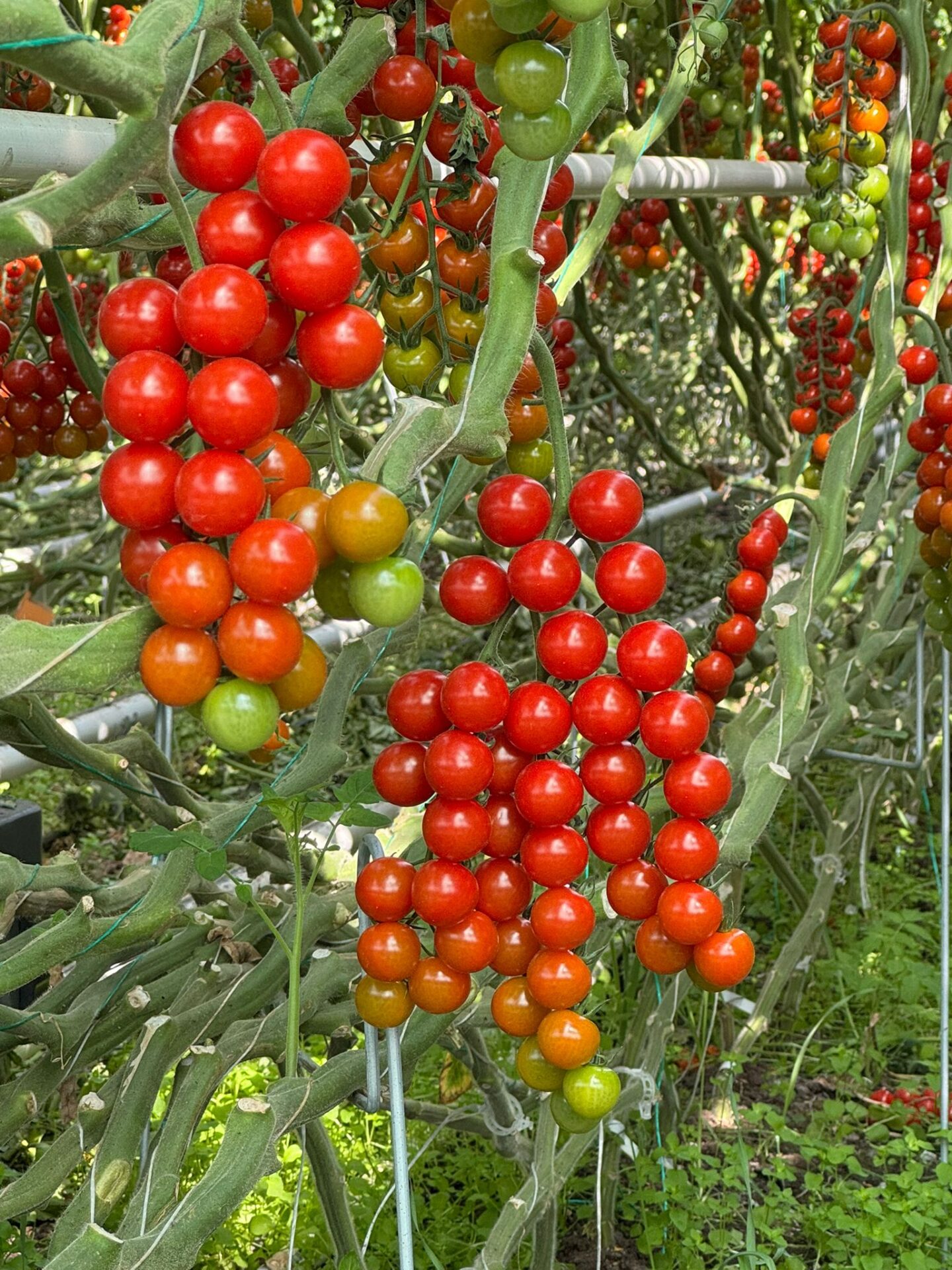
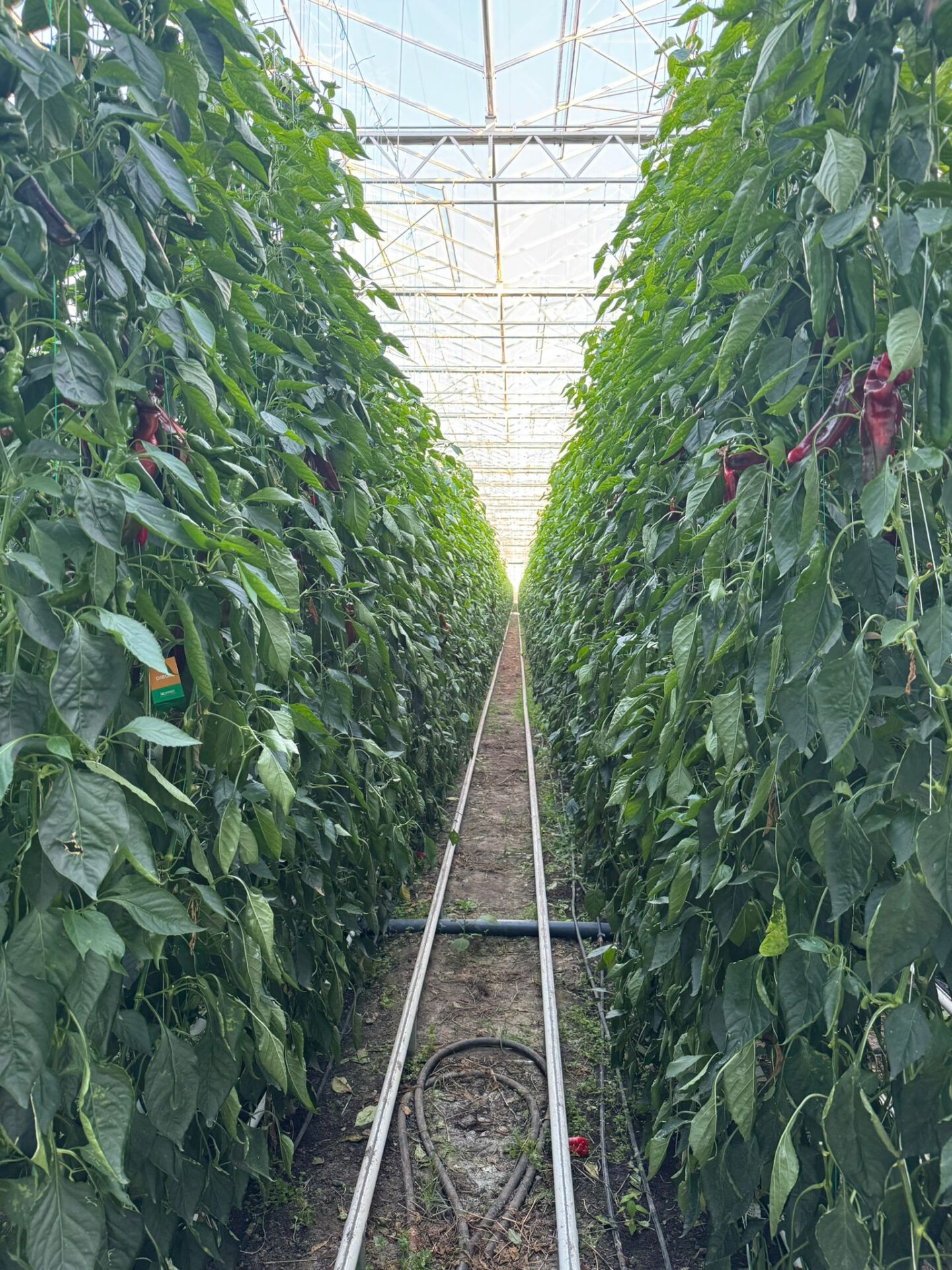
The Veganis project shows how the food industry can be defossilized—through innovative technology, regional circular economy, and the courage to break new ground. From organic tomatoes to climate-positive peppers, Veganis proves that sustainable organic production and climate-positive energy supply are not only compatible, but complement each other perfectly.
This project will result in:
- 100% renewable energy supply from regional forest residues
- Climate-positive organic production through CO₂ sequestration
- Regional value creation through local fuel supply
- Sustainable agriculture with green carbon as a soil improver
- Green electricity for the regional energy transition