Climate-positive precast concrete elements: MARKGRAF x ecoLocked x SYNCRAFT
December 15, 2025
#Climate positiveClimate-positive construction—what does that mean? The pilot project by MARKGRAF and ecoLocked in Kemnath provides a clear answer. The striking dark color pigments in the concrete are not just a design statement—they are visible proof of permanently bound CO₂ and active climate protection. This is made possible by green carbon, which is produced in our reverse power plants. When added to concrete, it creates a permanent CO₂ sink. Specifically, this means that over 10.68 tons of CO₂ have been permanently bound in this project. The black pigments in the concrete highlight the added value of climate protection and send a strong visual signal to the construction industry and a functioning bioeconomy.
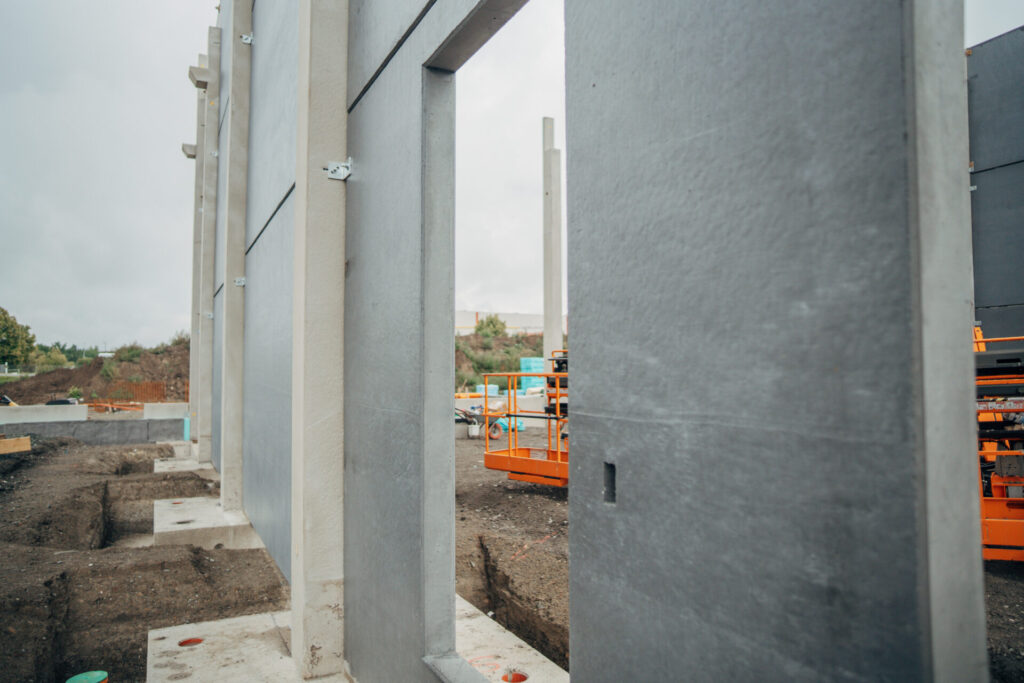
We see black: dark concrete opens climate-positive doors
Anyone entering the new training and education center of the MARKGRAF construction company in Kemnath immediately notices that this concrete is different. The dark surface reveals what usually remains invisible—active climate protection. The color is created by green carbon, which is used as an additive in precast concrete elements. This carbon comes from SYNCRAFT reverse power plants and permanently binds CO₂ that was previously absorbed from the atmosphere by trees. The concrete cannot and does not want to hide its origin with color pigments – and that is precisely where its strength lies.
From the forest to the concrete.
Value creation begins regionally: in our reverse power plants, forest residues energy wood are converted into renewable energy and high-quality green carbon. This green carbon—also known as biochar—is particularly high-quality: EBC premium quality, a carbon content of over 90%, and high chemical stability. Compared to fossil coal, it is a true all-rounder – and what's more, it is obtained from renewable raw materials.
Together with the Berlin-based company ecoLocked , this green carbon is processed into ecoLocked Materials (eLM) – optimized for use in concrete and other building materials.
"The use of eLM in this innovative project marks a decisive milestone. It proves that sustainable construction with CO₂-negative aggregates is possible and offers enormous potential. The next steps are clear: in cooperation with other players in the construction, real estate, and concrete industries, we want to implement further projects in which CO₂ is stored on a large scale," says Hoang Anh Nguyen, Chief Growth Officer at ecoLocked.
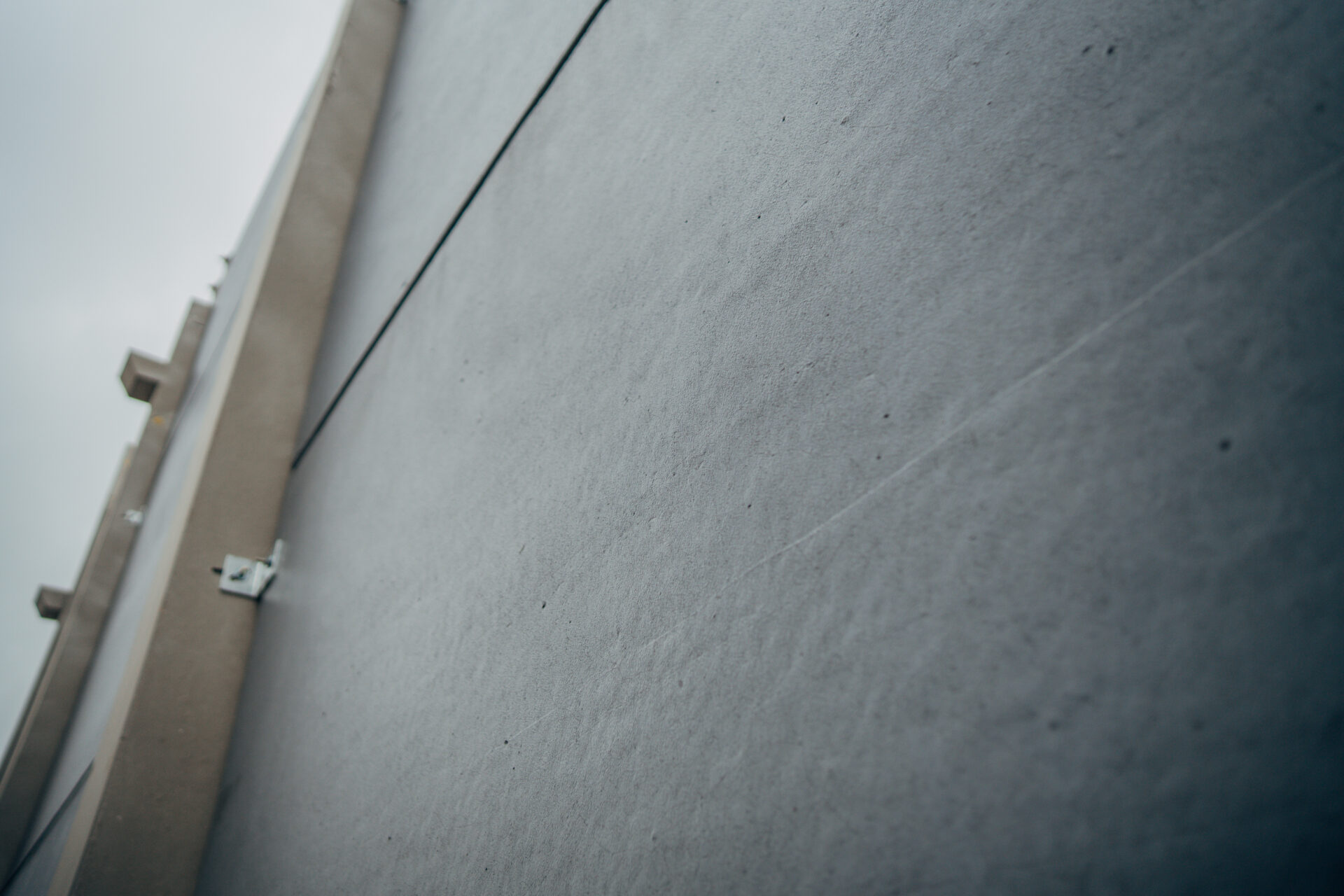
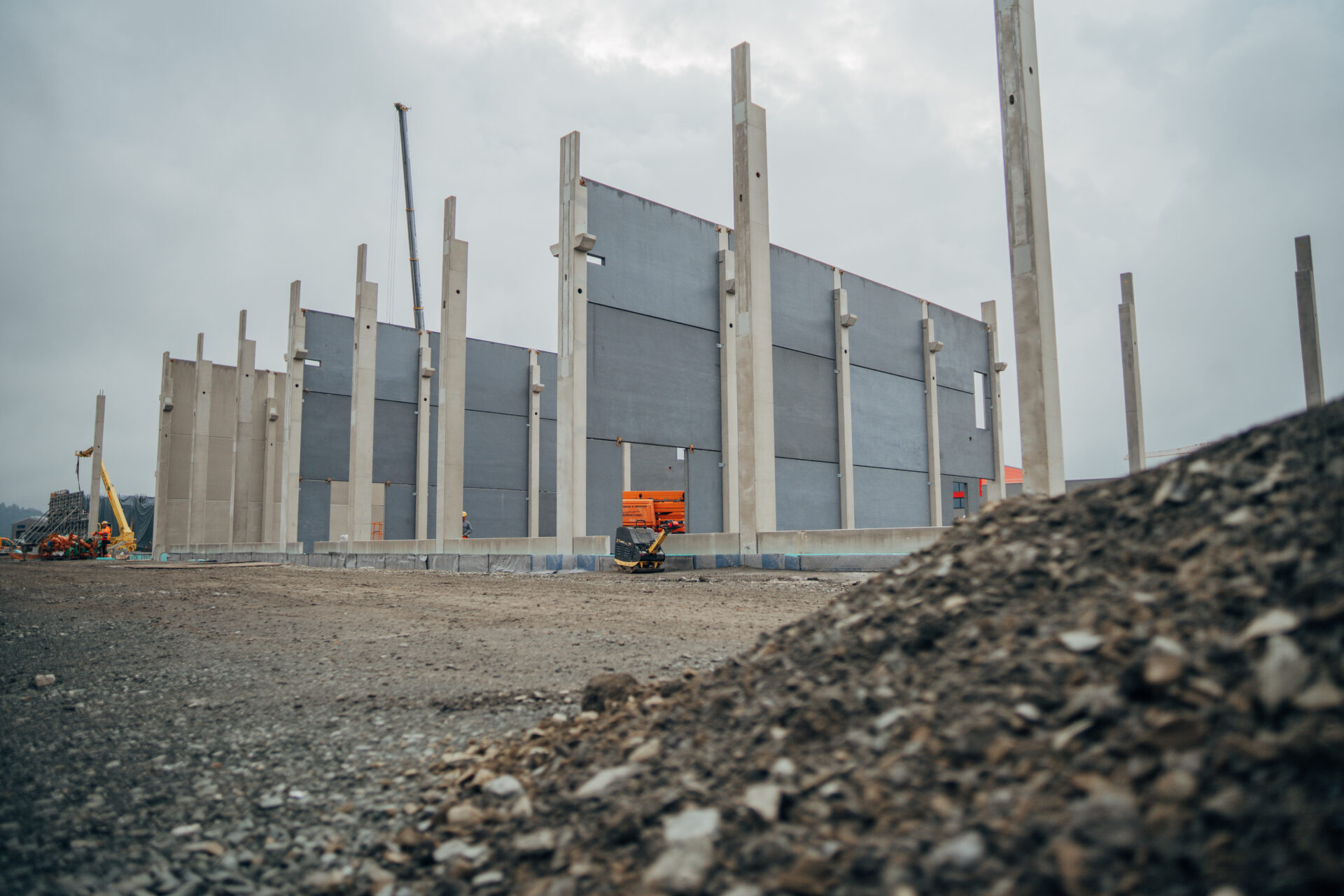
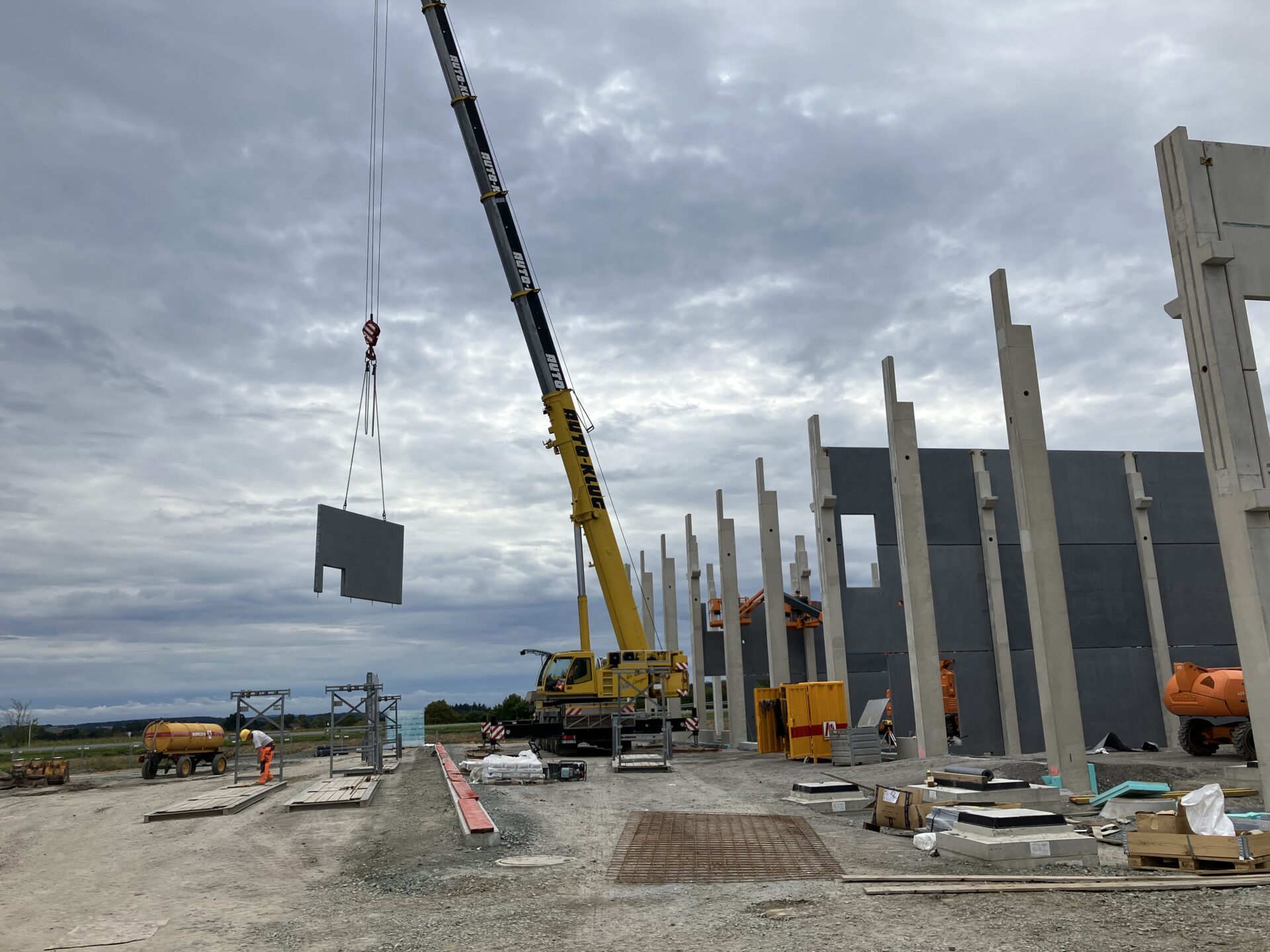
Image rights: W. MARKGRAF GmbH & Co KG
Facts and figures about the pilot project
The use of climate-positive concrete was implemented on an industrial scale for the first time at the MARKGRAF Training and Education Center. What exactly that means is explained below.
area of application
-
Non-load-bearing prefabricated partition walls
-
2,500 m² gross floor area
Material
-
90 kg of ecoLocked materials per cubic meter of concrete
-
5,300 kg of Green Carbon
-
Raw material basis: regional forest residues
climate impact
-
10.68 tons of CO₂ permanently bound
-
Over 60% lower carbon footprint of prefabricated components
-
Permanent carbon sink (1,000+ years)
Technical advantages
-
Improved early strength
-
Optimized workability
"For three years, we have been testing the use of new concretes, material compositions, and construction methods in several projects in order to offer our customers innovative and, at the same time, practical methods for reducing CO₂. (...) With this pilot project, we have demonstrated that biocarbon is not only a scalable technology for decarbonizing precast concrete elements, but also works under real-world conditions." Dr. Thorsten Opel, Innovation Manager at MARKGRAF
More than concrete: Green Carbon concrete into a CO2 sink
This project is more than just a pilot. It shows that the construction industry can not only reduce emissions, but also actively create CO₂ sinks.
Why the project is groundbreaking
-
Industrial scale under real production conditions
-
Technical performance at least on par with conventional concrete
-
Visible sustainability
-
Economically integrable into existing processes
-
Closed regional cycle
Versatile applications of green carbon
Its use in concrete is just one of many examples. The possible applications are diverse. More detailed information on this can be found in the blog article "Green Carbon: The climate-positive all-rounder. " Briefly summarized in bullet points, the areas of application include:
- Construction industry & road construction
- automotive industry
- Steel industry & metallurgy
- Agriculture & farming
- Animal husbandry & feed
- Water & wastewater treatment
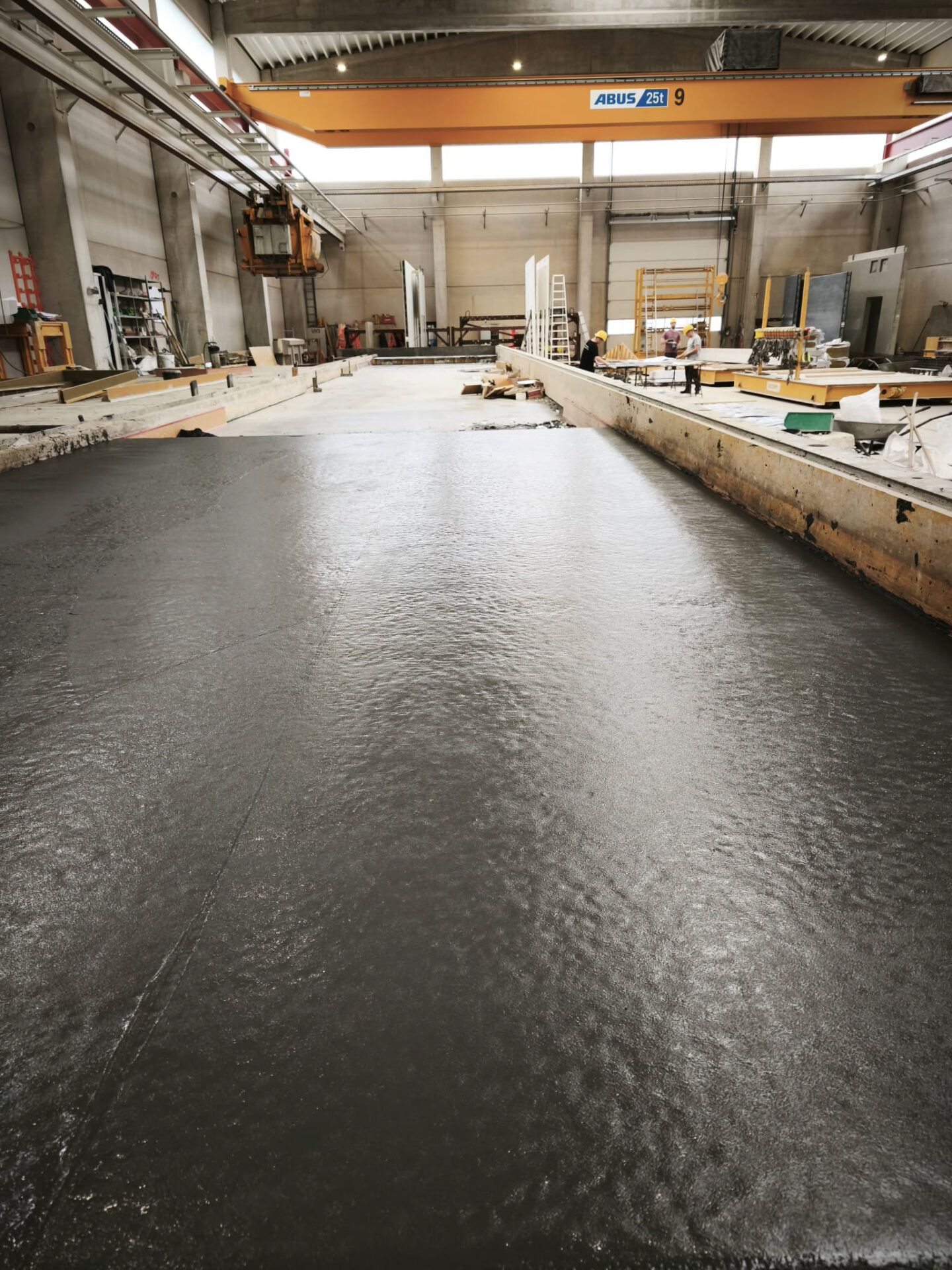
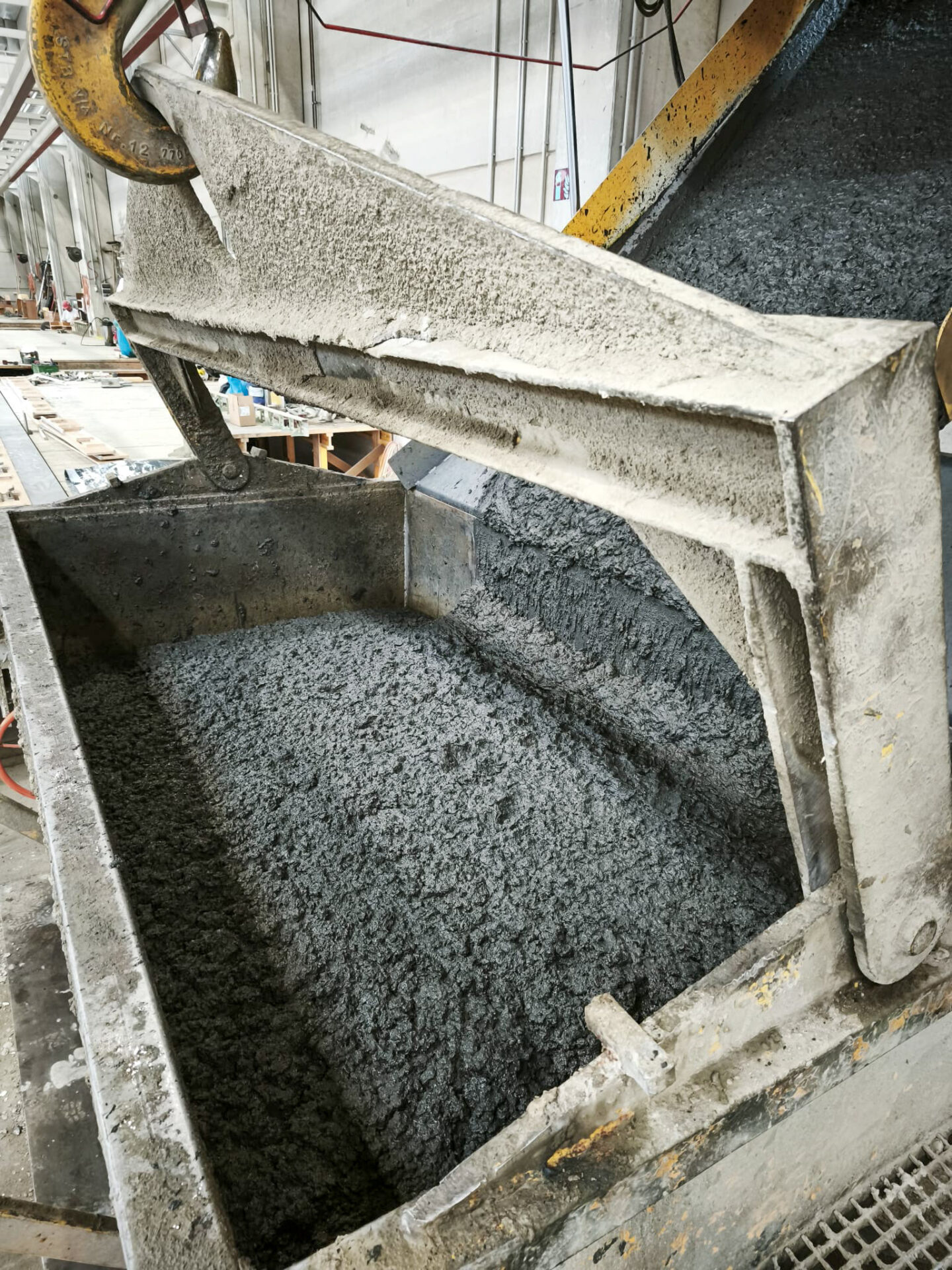
Image rights: W. MARKGRAF GmbH & Co KG
Building innovations together
The project in Kemnath shows how climate-positive innovation comes about. And that great things can only be achieved by working together:
-
SYNCRAFT supplies high-quality green carbon from reverse power plants
-
ecoLocked develops CO₂-negative building materials from this
-
MARKGRAF brings the technology into industrial practice
This interplay shows that climate protection is effective when innovation, technology, application, and the market work together.
Strong partnerships for climate-positive construction
In addition to ecoLocked, we are also working with other innovative companies to further develop climate-positive building material solutions. In the field of sustainable concrete and building material technologies ,CarStorCon® Technologies is one of our partners. Although CarStorCon is not part of this specific pilot project, we are united by the common goal of establishing green carbon as an industrially usable material—because with their Clim@Add® additive, concrete and asphalt applications become carbon sinks. This is well worth mentioning, because as in all matters relating to climate protection, "together" is the keyword that will take us forward.
"The high quality and consistency of green carbon from our reverse power plants enables us to create CO₂-binding building materials with climate-positive added value," Marcel Huber, CEO of SYNCRAFT.
Something to build on: concrete with a climate twist
The construction industry accounts for around 11% of global CO₂ emissions. Projects like this show that emission sources can be turned into permanent carbon sinks. The black concrete with the green influence symbolizes a new building culture—one that doesn't hide climate protection, but makes it visible. True to our motto, we are goingone step further together withecoLocked and MARKGRAF , proving that Reverse is forward.
Image rights: W. MARKGRAF GmbH & Co KG
Sources:
-
ecoLocked project page MARKGRAF
https://www.ecolocked.com/de-de/projects/markgraf-project -
ecoLocked / MARKGRAF Project Communication
http://ambivation.com/de/2025/11/30/markgraf/ -
SYNCRAFT References
https://www.syncraft.at/blog/
https://www.syncraft.at/references/


January 21, 2026
Top Topics 2026: Will we reach the energy transition point?
New legal frameworks, increasing expansion targets for renewable energies, and growing pressure to defossilize will bring change to the energy sector in 2026. At the same time, it is becoming increasingly clear that the energy transition will not be achieved through individual technologies, but through their interaction. Renewable energies, bioenergy, Green Carbon, decarbonization, defossilization, and smart Minus-CO₂ are converging into a single system. This is precisely where the top topics for our industry in 2026 lie.
read more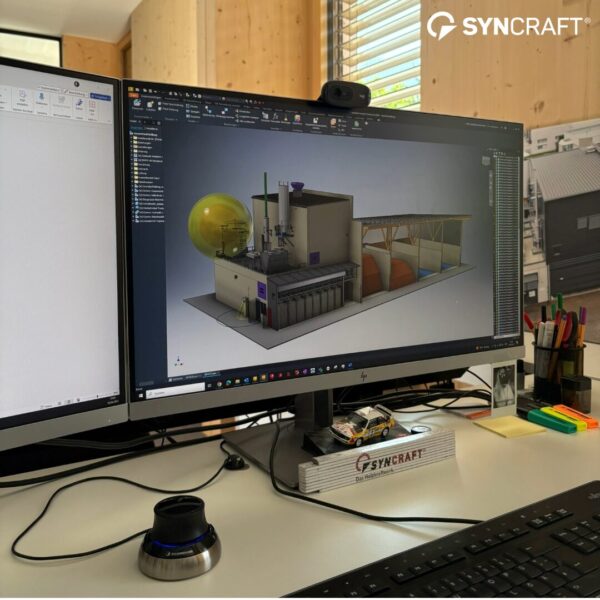
January 2, 2026
Blueprint Wallern: Construction diary phases 1+2
How is a Reversepowerplant actually created? What steps are required from the initial idea to climate-positive energy production in ongoing operation? We provide a clear answer to this question in our new blog series "B(l)aupause." Using the project in Wallern as an example, we take you to the construction site and show you transparently, practically, and step by step how regional forest residues are turned into forest residues modern energy system for electricity, heat, and green carbon. A construction diary about planning, cooperation, and the interaction of many trades—and about how defossilization and decarbonization are being implemented in concrete terms.
read more
September 29, 2025
Green Carbon in metallurgy
Metallurgy is facing a historic transformation: while the steel industry is responsible for 5-7 percent of global greenhouse gas emissions, Green Carbon offers a revolutionary alternative to fossil coals. With its reverse power plants, SYNCRAFT shows how regional forest residues can be turned into sustainable carbon for the defossilization of the metal industry.
read more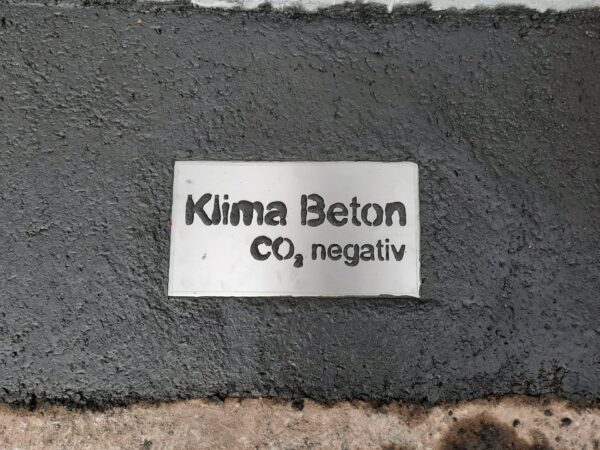
August 21, 2025
Building materials with green carbon: the future of construction
Conventional building materials are responsible for around 11% of global CO₂ emissions. To change this, we need innovative, new building materials - which not only save CO₂ emissions, but also bind CO₂ in the long term. And thus become a CO₂ sink. This is made possible by building materials that contain green carbon, for example.
read more
August 13, 2025
Certificates for climate protection
From A for application to Z for certification: REACH registration, European Biochar Certificate, C-Sink certificates - confirmed quality against climate change? We were one of the first system manufacturers to be recognized as an "Endorsed System Provider" by Carbon Standards International (CSI) in 2024. But what does this mean in concrete terms, which certifications are important and why are they so essential in our industry?
read more
July 17, 2025
Austria's future of renewable energy
Today, renewable energies are far more than just a vision for tomorrow - in many places they are already the present. But how does Austria compare internationally? Which technologies are driving the energy transition, what are the biggest challenges and how can the energy transition succeed in the long term?
read more