Focus on climate-friendly building materials of the future
March 12, 2024
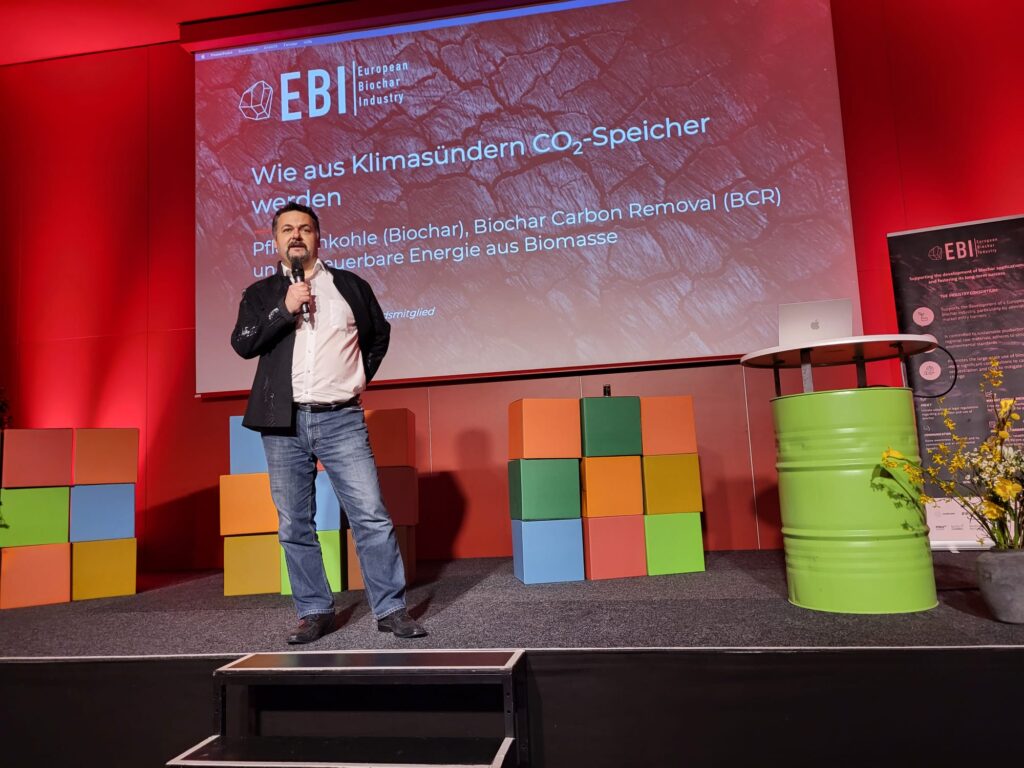
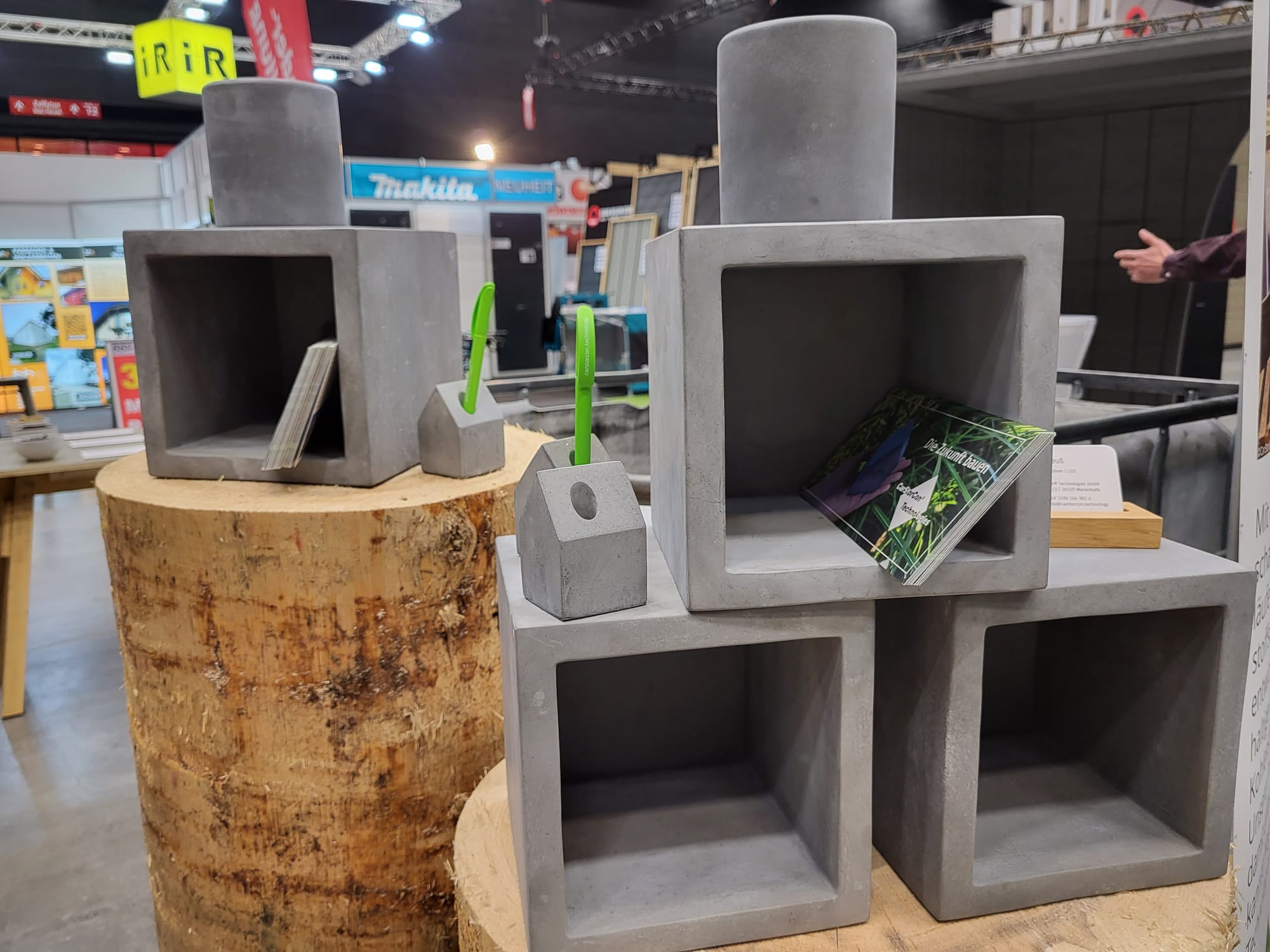
Concrete made from green carbon at the com:bau trade fair in Dornbirn
In 2022, the concrete industry was responsible for 8% of global emissions with 2.9 billion tons ofCO2 (source: F.A.Z:, 31.01.2024) and is therefore one of the biggest climate sinners of all - so there is no way around a sustainable construction future.
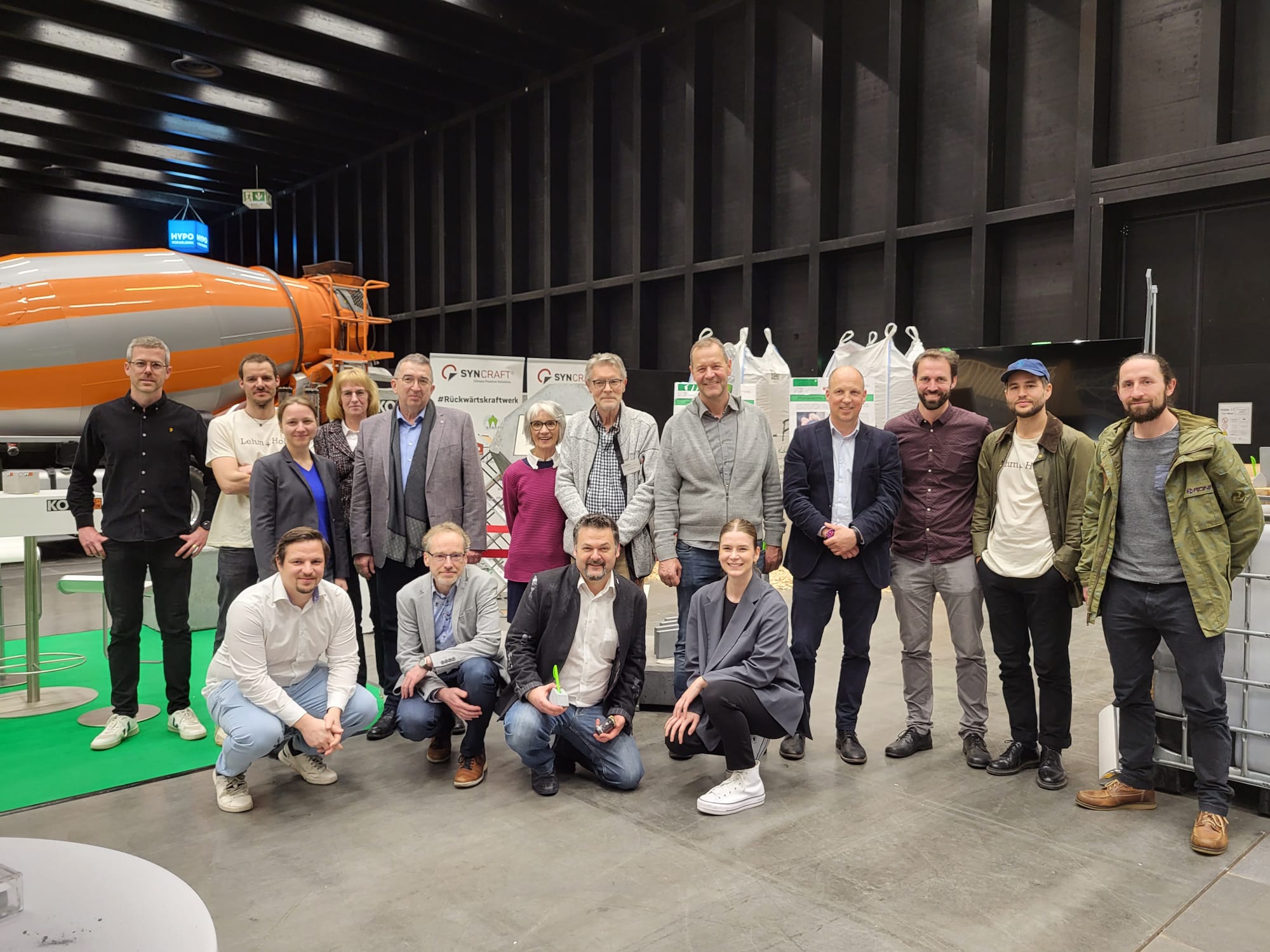
On Friday, March 1, we were out and about at the Com:bau trade fair in Dornbirn, one of the most important construction trade fairs in the four-country region. Numerous trade fair visitors, experts and representatives of the construction industry exchanged views on all aspects of construction.
This year, a special focus was placed on the specialist forum and the special exhibition on the topic of "Climate building materials of the future", where exciting insights into the latest innovations and solutions in the field of sustainability in construction were offered. Top-class presentations focused on the use of green carbon in concrete.
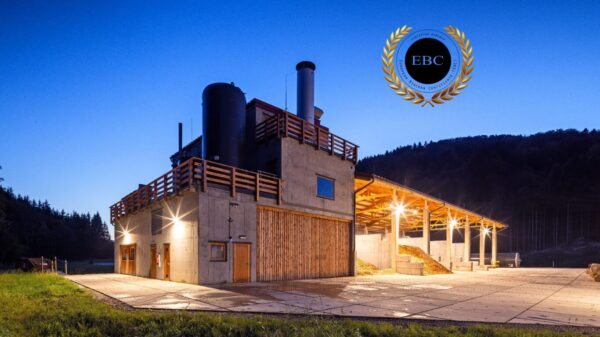
What is the current state of research in the field of climate-positive building materials and what concrete examples of applications can we report on? What actually is Green Carbon and how is it produced and used - for example in our SYNCRAFT reverse power plants? The forum provided answers to these and many other questions, and several best-practice examples showed how climate-friendly building materials can be used in real construction projects.
Climate concrete - THE building material of the future
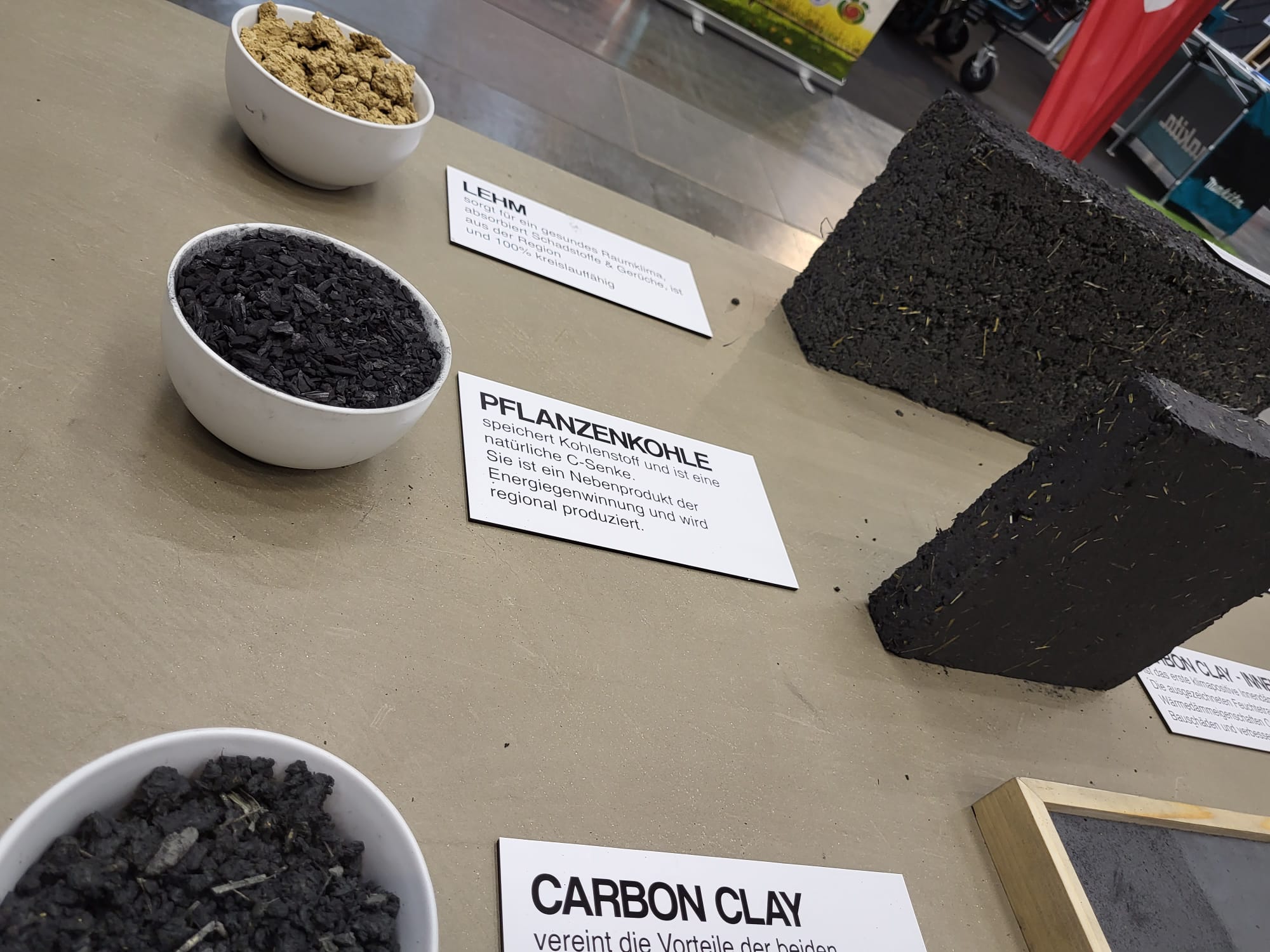
One thing is certain: there is no "what-if" question - climate-friendly building materials are not a vision of the future, they are already a reality today! We are confident that climate clay as aCO2 sink and other climate-friendly building materials will establish themselves even faster and more intensively in the industry.
It is essential to reduce the proportion of cement in concrete and replace it with climate-friendly materials, as it is responsible for the majority ofCO2 emissions. This is where the valuable green carbon comes into play, which is produced as a third product in our reverse power plants and binds the carbon in the long term. It can be added to the concrete and thus offers an effective carbon sink: around 3kg ofCO2 can be bound per kilogram of carbon. It can also improve the technical properties of the concrete.
DerStandard has taken a closer look at the use of Biochar for climate-friendly construction. Find out more here: Concrete with less cement and charcoal should be 80 percent more climate-friendly - Edition Zukunft - derStandard.at ' Edition Zukunft